


In This Article
Cricket is played in several distinct formats, each governed by a unique set of rules, rhythms, and competitive demands. The Differences Between Test Cricket, One Day Internationals, and T20 Cricket Formats matter because they shape how the game is played, watched, and understood. For players, teams, and followers of the sport, knowing how these formats differ provides essential context for performance, strategy, and the overall evolution of modern cricket.
This article explains what separates Test cricket, One Day Internationals (ODIs), and Twenty20 (T20) cricket, why each format exists, and how their structural differences influence tactics, skills, and outcomes.
Core Concepts of Cricket Formats
At its core, cricket is built around the contest between bat and ball, with teams attempting to score runs while dismissing opposing batters. The formats differ primarily in match duration, innings structure, and limitations placed on overs and scoring rates.
Test cricket represents the traditional form of the game, emphasizing endurance and technical mastery. ODIs were introduced to create a more time-bound version suitable for single-day completion. T20 cricket further condensed the format to maximize pace and accessibility.
These formats coexist rather than compete directly, each serving a distinct purpose within the global cricket ecosystem.
Match Duration and Structure
Test Cricket Match Structure
Test cricket is played over a maximum of five days, with each team allowed two innings. There is no limit on the number of overs per innings, meaning teams bat until all players are dismissed or a declaration is made.
The extended duration allows for fluctuating conditions, strategic depth, and momentum shifts that can unfold over multiple days. Draws are a possible result if neither team secures victory within the allotted time.
One Day International Match Structure
One Day Internationals are limited-overs matches, with each team facing a fixed number of overs, traditionally 50 per side. Matches are designed to be completed in a single day, producing a definitive result in most cases.
Each team bats once, and the side with the higher total at the end of its innings wins, subject to weather-related adjustments where applicable.
T20 Match Structure
T20 cricket is the shortest mainstream international format, with each team limited to 20 overs. Matches typically last around three hours.
The single-innings structure and sharply limited overs place immediate emphasis on scoring speed, making every delivery significant.
Rules and Format-Specific Constraints

Overs and Fielding Restrictions
All three formats apply different fielding regulations. Test cricket has minimal fielding restrictions, allowing captains significant freedom to set defensive or attacking fields.
ODIs and T20 matches include mandatory fielding restrictions, particularly in the early overs, to encourage scoring and maintain balance between bat and ball. These restrictions have a greater tactical impact in shorter formats, where each over carries more weight.
Player Substitutions and Squad Use
Test cricket traditionally prioritizes all-round skills, as players must contribute across long periods without substitutions. Fitness and durability are critical.
Limited-overs formats place greater value on specialist roles. Teams may select players specifically for power-hitting, death bowling, or fielding agility, reflecting the different demands of shorter matches.
Strategic and Tactical Differences
Batting Approach Across Formats
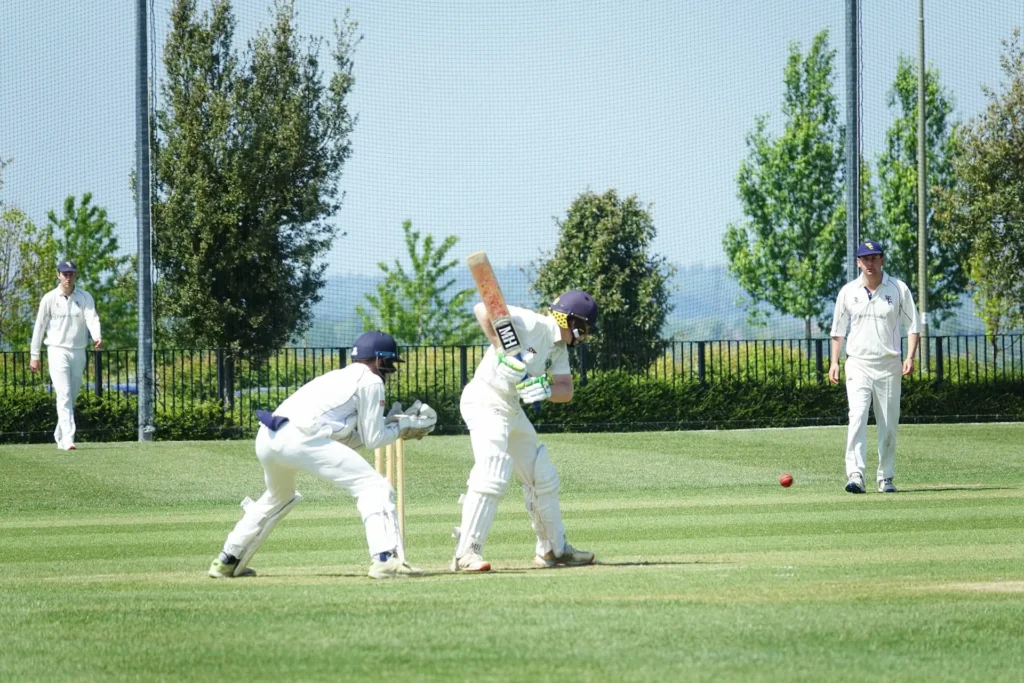
In Test cricket, batting is built around patience, shot selection, and minimizing risk. Batters may leave deliveries, defend for extended periods, and build innings gradually.
ODI batting balances accumulation with acceleration. Players manage risk to maintain a competitive run rate while preserving wickets for later overs.
T20 batting prioritizes aggression. Boundary-hitting, innovative shots, and rapid scoring are central, even at the cost of higher dismissal rates.
Bowling Strategies and Workloads
Test bowlers focus on consistency, movement, and exploiting pitch conditions over long spells. Seamers and spinners are used strategically across sessions and days.
In ODIs, bowlers must manage limited overs while varying pace, length, and trajectory to restrict scoring. Economy rate becomes as important as wicket-taking.
T20 bowling emphasizes variation and precision. Slower balls, yorkers, and tactical changes are essential, as a single expensive over can alter the match outcome.
Historical and Contextual Background
Origins of Test Cricket
Test cricket dates back to the late nineteenth century and is considered the original and most prestigious form of the game. It was designed to test skill, temperament, and stamina over extended periods.
The format reflects cricket’s early traditions, where time constraints were secondary to the purity of competition.
Emergence of Limited-Overs Cricket
ODIs were introduced in the latter half of the twentieth century to adapt cricket to changing audience preferences and broadcasting needs. The goal was to produce results within a predictable timeframe while preserving core cricketing skills.
This format broadened cricket’s global appeal and led to innovations in batting and fielding techniques.
Rise of T20 Cricket
T20 cricket emerged as a response to declining attention spans and competition from other sports and entertainment options. Its concise format attracted new audiences and accelerated tactical evolution across all levels of the game.
Despite its brevity, T20 cricket has influenced strategies even in longer formats, particularly in scoring rates and shot-making.
Analysis of Skills and Player Profiles
Different formats reward different skill sets. Test cricket favors technical proficiency, mental resilience, and adaptability to varying conditions. Players must sustain performance over days, often under physical and psychological pressure.
ODIs reward versatility. Successful players combine solid fundamentals with the ability to adjust tempo as match situations change.
T20 cricket emphasizes athleticism, reflexes, and specialized skills. Power hitters, specialist bowlers, and agile fielders play prominent roles, reflecting the format’s intensity.
Common Misconceptions and Best Practices
A common misconception is that shorter formats are inherently easier. While T20 matches are shorter, the margin for error is smaller, and decision-making must be immediate and precise.
Another misunderstanding is that success in one format guarantees success in others. In practice, each format requires tailored preparation, training, and mindset.
Best practice for teams and players is to respect the distinct demands of each format rather than attempting to apply a single approach universally.
Conclusion
The Differences Between Test Cricket, One Day Internationals, and T20 Cricket Formats lie in duration, structure, rules, and strategic priorities. Test cricket emphasizes endurance and technical mastery, ODIs balance strategy with time constraints, and T20 cricket delivers speed and intensity.
Understanding these differences helps readers appreciate why performances, tactics, and outcomes vary across formats. Each form of cricket contributes uniquely to the sport’s identity, ensuring its relevance to diverse audiences while preserving its fundamental competitive spirit.