

In This Article
Computers and digital devices are part of daily life, but many people are unsure how they actually work. Two basic components make every computer system function: hardware and software.
This guide explains the difference between hardware and software in simple terms, helping beginners understand how digital devices operate.
What Is Hardware?
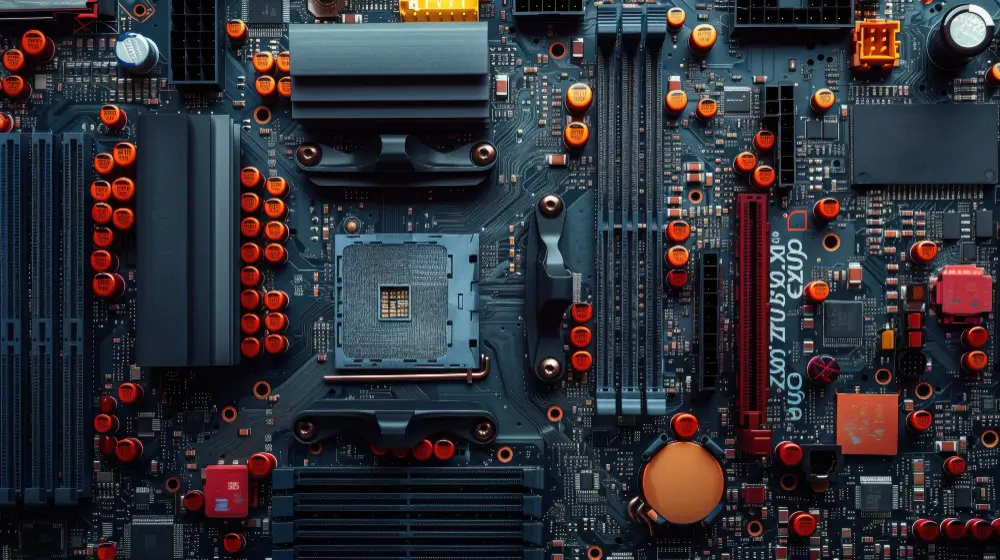
Hardware refers to the physical parts of a computer or digital device. These are the components that can be seen and touched.
Examples include the screen, keyboard, mouse, processor, memory chips, and storage drives. Without these physical parts, a computer cannot exist.
Hardware provides the structure and power needed to run digital tasks.
Common Types of Hardware Components
Computer hardware is made up of several main categories, each with a specific role.
Input devices allow users to interact with the computer. These include keyboards, mice, and scanners.
Output devices display results from the computer, such as monitors and printers.
Processing components, like the central processor and memory, handle instructions and calculations.
Storage devices keep data saved for future use, including hard drives and solid-state drives.
What Is Software?
Software refers to the programs and instructions that tell hardware what to do. Unlike hardware, software cannot be physically touched.
Software includes operating systems, applications, and system tools. These programs control how the computer functions and how tasks are performed.
Without software, hardware would be inactive and unable to complete any useful work.
Types of Software
Software is generally divided into two main categories based on its purpose.
System software manages the basic operations of a computer. It controls hardware components and allows other programs to run properly.
Application software is designed for specific tasks, such as writing documents, browsing the internet, or editing images.
Both types of software are necessary for a complete and functional computer system.
How Hardware and Software Work Together
Hardware and software depend on each other to function correctly. Hardware provides the physical capability, while software provides instructions.
For example, when a document is typed, the keyboard sends input to the computer. Software processes the input, and the monitor displays the text.
Neither hardware nor software is useful on its own. They must work together to perform tasks.
Key Differences Between Hardware and Software
The main difference is physical form. Hardware is tangible and can be seen and touched. Software is digital and exists as data and code.
Hardware can wear out or break over time. Software does not physically degrade but may become outdated or require updates.
Hardware is manufactured, while software is developed and programmed.
These differences help define the unique role each plays in computing systems.
Examples of Hardware and Software in Daily Use
A laptop provides a clear example of how hardware and software interact.
The screen, keyboard, battery, and internal components are hardware. The operating system and installed programs are software.
When a user opens a web browser, the software sends instructions to the hardware, which then displays the website on the screen.
This constant interaction happens during every digital task.
Why Both Are Important
Hardware and software are equally important. Hardware offers the physical ability to process information, while software guides that ability.
Upgrading hardware can improve speed and performance. Updating software can add features and improve security.
A balanced combination of both ensures smooth and reliable computer operation.
Hardware and Software in Other Devices
The difference between hardware and software is not limited to computers.
Smartphones, tablets, and smart televisions also rely on hardware components and software systems.
Even household devices like digital watches and home appliances use the same basic structure of physical parts controlled by software.
Common Misunderstandings
Some people think hardware is more important because it can be seen and touched. Others believe software is more important because it controls everything.
In reality, neither can function effectively without the other. Each plays a different but equally necessary role.
Understanding this relationship helps users make better decisions about technology use and maintenance.
Conclusion
Hardware and software are the two core elements of every digital device. Hardware includes the physical components, while software consists of the programs and instructions that control them.
They work together to perform tasks, process data, and deliver results. Knowing the difference between hardware and software provides a clear foundation for understanding how modern technology functions.