

In This Article
Cricket is governed as much by skill as by interpretation of laws on the field. Understanding how cricket umpiring decisions work, including LBW and no-ball rules, helps readers appreciate why certain calls are made, why others are debated, and how fairness is maintained in a complex sport. Umpires operate within a detailed framework of laws, protocols, and judgment-based principles that shape every match, from grassroots cricket to the international level.
This article explains the core concepts behind cricket umpiring, with a clear focus on LBW and no-ball decisions, why they matter, and how they are applied in practice.
The Role of Umpires in Cricket
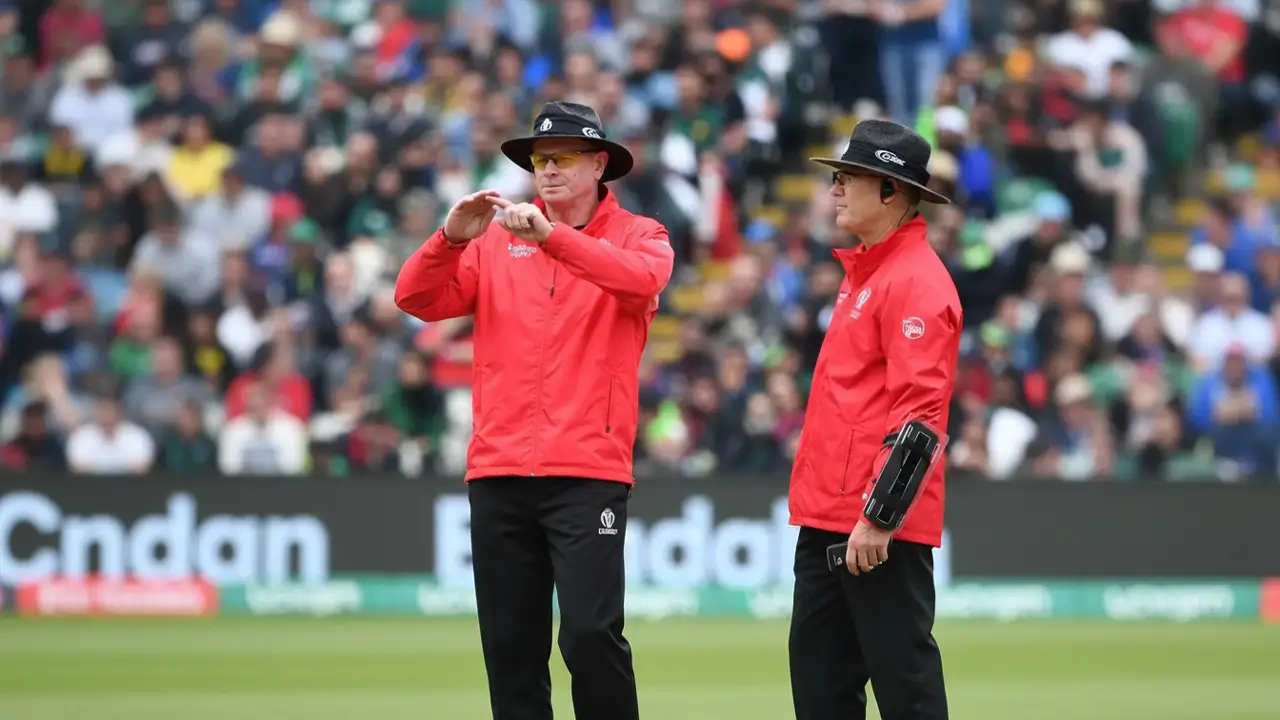
Umpires are the on-field officials responsible for enforcing the Laws of Cricket and ensuring a fair contest between bat and ball. Their authority covers decisions on dismissals, scoring, player conduct, and match conditions.
While some decisions are purely objective, many require interpretation and positioning-based judgment. Umpires must remain neutral, consistent, and decisive, even under pressure. Their rulings directly affect outcomes, which is why understanding the decision-making framework is essential for informed viewers and players.
The Laws That Govern Umpiring Decisions
Cricket umpiring decisions are based on the Laws of Cricket issued by the International Cricket Council, which oversees the standardized application of rules worldwide. These laws define what constitutes a legal delivery, a fair dismissal, and acceptable player behavior.
Umpires are trained to apply these laws consistently, but the laws themselves allow room for judgment, particularly in areas such as LBW and front-foot no-balls.
Understanding LBW Decisions in Cricket
What LBW Means
LBW stands for Leg Before Wicket. A batter can be dismissed LBW if the ball strikes any part of the body (usually the leg) without first hitting the bat, and certain conditions are met regarding line, impact, and projected trajectory.
LBW is one of the most technically complex decisions an umpire makes because it involves predicting where the ball would have gone after impact.
Key Conditions for an LBW Decision
For an LBW dismissal to be given, all of the following must generally apply:
- The ball must pitch in line with the stumps or on the off side.
- The point of impact must be in line with the stumps or, in some cases, outside off stump with no genuine shot offered.
- The ball must be judged to be hitting the stumps.
- The batter must not have hit the ball with the bat first.
If any one of these conditions is not satisfied, the batter cannot be given out LBW.
Umpire Judgment in LBW Calls
LBW decisions rely heavily on an umpire’s position, angle of view, and experience. Factors such as swing, seam movement, and bounce complicate the assessment of where the ball would have traveled.
Because of this complexity, umpires are trained to give the batter the benefit of the doubt when uncertainty exists. This principle has long been part of cricket’s officiating culture and remains central to LBW rulings.
No Ball Decisions Explained
What Constitutes a No Ball
A no-ball is an illegal delivery, most commonly called when the bowler oversteps the front crease. Other reasons include an illegal bowling action, dangerous full tosses, or breaches of fielding restrictions.
When a no-ball is called, the batting side receives an extra run, and the delivery does not count in the over.
Front-Foot No Ball Rule
The most frequent no-ball decision concerns the bowler’s front foot. For a delivery to be legal, some part of the bowler’s front foot must be grounded behind the popping crease at the moment the ball is released.
This decision requires precise timing and focus, as it must be judged in real time, often while tracking the ball and the batter simultaneously.
Impact of No Ball Calls on the Game
No balls have strategic consequences. In limited-overs formats, they often result in a free hit, meaning the batter cannot be dismissed in most ways on the next delivery. This increases the importance of accurate no-ball calls and places additional responsibility on umpires.
Consistent enforcement of no-ball rules is critical for maintaining competitive balance and player safety.
How Technology Supports Umpiring Decisions
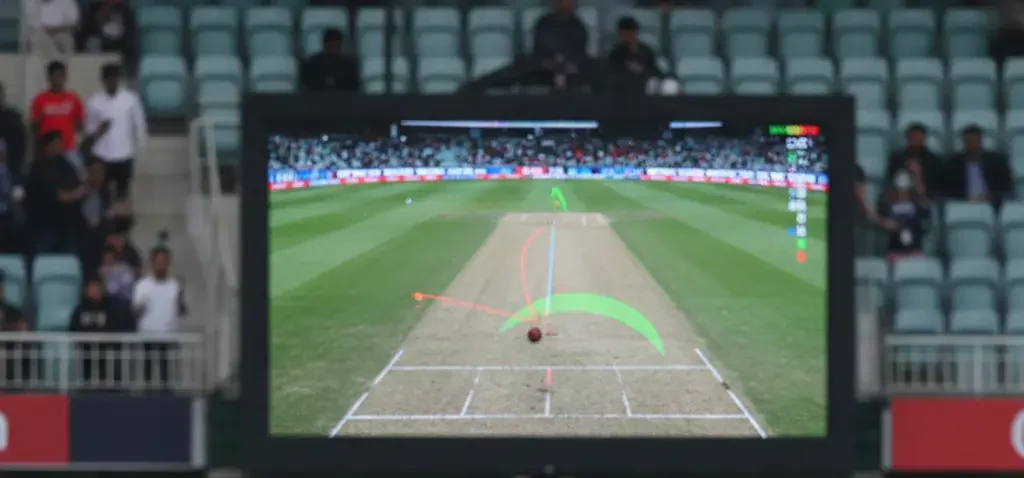
While umpires remain the primary decision-makers, technology assists in reviewing close calls. Tools such as ball-tracking systems and front-foot monitoring help verify LBW and no-ball decisions when reviews are available.
However, technology does not replace umpires. Instead, it operates within defined protocols, reinforcing the idea that human judgment remains central to the game.
Common Misunderstandings About LBW and No Balls
Misconceptions Around LBW
A common misunderstanding is that any ball hitting the leg in front of the stumps is out. In reality, pitching line, impact location, and shot intent all matter. Another frequent error is assuming LBW applies when the ball pitches outside the leg stump, which it does not.
Confusion Over No Ball Calls
Spectators often focus only on the bowler’s foot placement, overlooking other no-ball conditions such as dangerous deliveries or illegal actions. Not every close call involves the crease, and umpires monitor multiple aspects of legality on every ball.
Best Practices for Fair and Consistent Decisions
Umpires are trained to:
- Maintain optimal positioning for each delivery type.
- Apply the laws consistently rather than reacting to crowd or player pressure.
- Communicate decisions clearly using standardized signals.
- Rely on protocol and evidence rather than intuition alone.
These practices help reduce errors and uphold the credibility of match officiating.
The Broader Importance of Umpiring Accuracy
Accurate umpiring protects the integrity of cricket. Clear application of LBW and no-ball rules ensures that skill, not controversy, determines outcomes. While disagreement is inevitable in a sport built on fine margins, transparent decision-making frameworks help preserve trust among players, teams, and audiences.
Conclusion
Understanding how cricket umpiring decisions work, including LBW and no-ball rules, reveals the balance between written law and human judgment that defines the sport. LBW decisions require predictive assessment and fairness, while no-ball calls demand precision and consistency. Together, these rulings shape the flow and integrity of every match.
For readers, knowing the principles behind these decisions enhances appreciation of cricket as a regulated, skill-based sport where officiating plays a vital, disciplined role rather than a subjective one.