

In This Article
Cricket is a team sport built on clearly defined roles that work together to balance strategy, skill, and execution. Roles and Responsibilities of Cricket Team Positions Explained provides a structured overview of how each position functions within a cricket team and why these roles matter for performance, coordination, and decision-making. Understanding these responsibilities helps readers better interpret matches, appreciate tactical choices, and grasp how teams are constructed across different formats of the game.
Understanding Team Structure in Cricket
A cricket team consists of eleven players, each selected to fulfill specific tactical and functional needs. Unlike some sports where positions are rigid, cricket roles are flexible and often overlap. A player may contribute in more than one area, such as batting and bowling, but is still chosen with a primary responsibility in mind.
The balance of a team depends on conditions, format, and opposition. However, the core positions remain consistent, forming the foundation of team strategy regardless of whether the match is played over multiple days or limited overs.
Batting Positions and Their Responsibilities
– Opening Batters
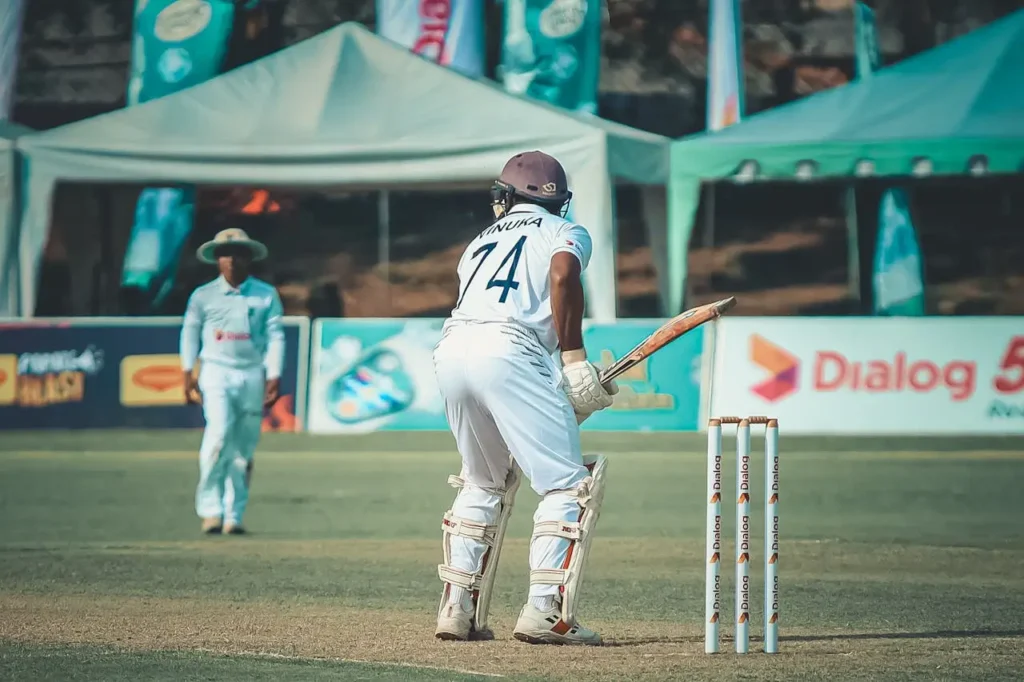
Opening batters face the first deliveries of an innings, often against the fastest and most aggressive bowlers. Their primary responsibility is to handle the new ball, which typically moves more in the air and off the pitch.
They must combine technical soundness with mental discipline. A strong opening partnership can stabilize an innings, reduce early pressure, and set the platform for the rest of the batting order.
– Top-Order Batters
The top order, usually positioned at numbers three and four, is expected to anchor the innings. These batters often face a mix of pace and spin and are responsible for building substantial scores.
Their role emphasizes adaptability. They must assess conditions, rotate the strike efficiently, and provide continuity if early wickets fall.
– Middle-Order Batters
Middle-order batters manage transitions in an innings. They may need to rebuild after setbacks or accelerate scoring once a base has been established.
This role demands situational awareness. Middle-order players often face varied match scenarios and must adjust their approach based on wickets in hand, remaining overs, and field settings.
– Lower-Order Batters
Lower-order batters are typically specialist bowlers who can contribute with the bat. While not relied upon for long innings, their responsibility is to add valuable runs and support recognized batters.
Effective lower-order contributions can shift momentum and add depth to a team’s overall batting strength.
Bowling Roles and Specializations
Fast Bowlers

Fast bowlers rely on speed, movement, and bounce to challenge batters. Their primary responsibilities include taking wickets, applying pressure, and exploiting conditions such as seam-friendly pitches or swing.
They often operate in short, intense spells and play a key role with the new ball and at critical moments of an innings.
– Spin Bowlers
Spin bowlers use turn, flight, and variation rather than pace. Their responsibility is to control scoring, induce mistakes, and exploit worn or dry pitches.
Spinners often bowl longer spells and play a strategic role in building pressure, particularly in longer formats.
– All-Round Bowlers
Some players are selected for their ability to bowl effectively while also contributing significantly with the bat. These all-round bowlers provide balance and flexibility.
Their dual role allows teams to adjust strategies without sacrificing depth in either discipline.
The Role of the Wicketkeeper
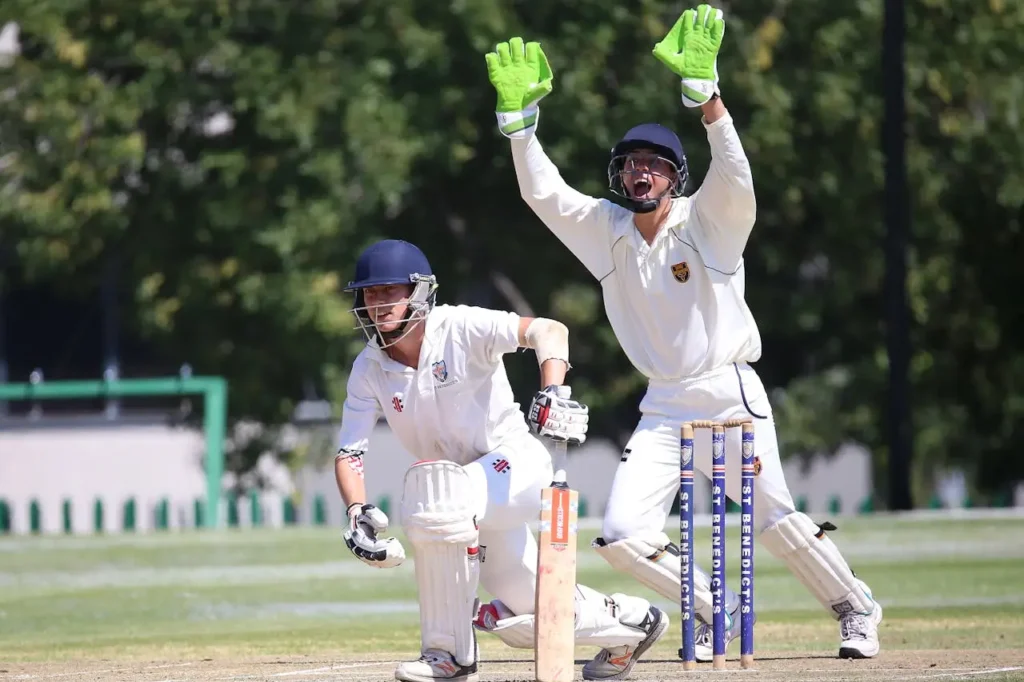
The wicketkeeper is the only player permitted to wear gloves and pads while fielding. Positioned behind the stumps, their primary responsibilities include catching, stumping, and supporting bowlers through constant communication.
Beyond technical skill, wicketkeepers play a leadership role in organizing the field, reading batters’ movements, and maintaining focus throughout long periods of play.
Fielding Positions and Responsibilities
Fielding roles vary depending on match situation, bowler type, and batter tendencies. While positions change frequently, fielders are selected for specific attributes such as speed, catching ability, and throwing accuracy.
Close-in fielders apply pressure and create catching opportunities, while boundary riders focus on preventing runs and executing clean stops. Effective fielding contributes directly to match outcomes by saving runs and creating dismissals.
The Captain’s Role in Team Coordination
The captain holds overall responsibility for on-field decision-making. This includes setting field placements, managing bowling changes, and responding tactically to changing conditions.
Captains must balance individual roles with team objectives. Their decisions influence how effectively each position operates within the broader strategy of the match.
Role Variations Across Cricket Formats
– Test and Multi-Day Cricket
In longer formats, roles emphasize endurance, patience, and long-term planning. Batters focus on occupying the crease, while bowlers work on sustained pressure rather than immediate results.
Team balance in this format often includes specialist players for distinct roles.
-Limited-Overs Cricket
In shorter formats, roles adapt to higher scoring rates and time constraints. Batters are expected to score more aggressively, and bowlers focus on variations and containment.
While the core positions remain the same, responsibilities shift toward efficiency and adaptability.
Common Misconceptions About Cricket Positions
One common misunderstanding is that players fit into a single, fixed role. In reality, modern cricket values versatility, and many players contribute across multiple disciplines.
Another misconception is that lower-order players are not important with the bat. In practice, contributions from every position can influence the outcome of a match.
Best Practices for Team Balance and Role Clarity
Successful teams clearly define responsibilities while allowing flexibility. Players perform best when they understand their primary role and how it fits into the team’s strategy.
Selection based on complementary skills, rather than individual statistics alone, helps maintain balance. Clear communication from leadership ensures that each position operates effectively under varying conditions.
Conclusion
Cricket team positions are built around defined roles that collectively shape strategy and performance. From opening batters handling early pressure to bowlers executing specialized plans, each role contributes to the team’s overall effectiveness. Understanding these responsibilities enhances appreciation of the game and provides insight into tactical decisions made on the field. For readers, recognizing how positions function together offers a clearer, more informed view of cricket as a structured and strategic team sport.