

In This Article
Traveling efficiently, whether for work, errands, or leisure, requires accurate directions and real-time information. Navigation and map apps provide digital solutions that help users reach destinations quickly, avoid delays, and travel more safely.
This guide explains how these apps work and how they improve daily travel for beginners and non-technical users.
What Navigation and Map Apps Are
Navigation and map apps are digital tools that provide maps, directions, and location-based information.
They use GPS (Global Positioning System) to determine a user’s current location and guide them to a chosen destination. Most apps include features such as turn-by-turn directions, traffic updates, and alternative routes.
Planning Routes in Advance
One of the main benefits of navigation apps is the ability to plan routes before starting a journey.
Users can select starting points, destinations, and preferred routes. Apps often provide multiple options, such as the fastest route, shortest distance, or routes avoiding tolls. This helps save time and reduce stress.
Real-Time Traffic Updates
Navigation apps provide real-time traffic information, including congestion, accidents, and road closures.
By monitoring current conditions, the app can suggest alternative routes to avoid delays. This ensures more predictable travel times and reduces frustration caused by unexpected traffic.
Turn-by-Turn Directions
Turn-by-turn directions guide users through each step of a journey.
Audio instructions allow drivers or cyclists to keep their eyes on the road while receiving guidance. Pedestrian modes provide walking directions with clear visual cues. This feature simplifies navigation in unfamiliar areas.
Finding Nearby Services
Many map apps also display nearby services such as gas stations, restaurants, hospitals, and public transport stations.
This information is useful for planning stops during a journey or locating essential services quickly, improving convenience and safety.
Supporting Multiple Modes of Transport
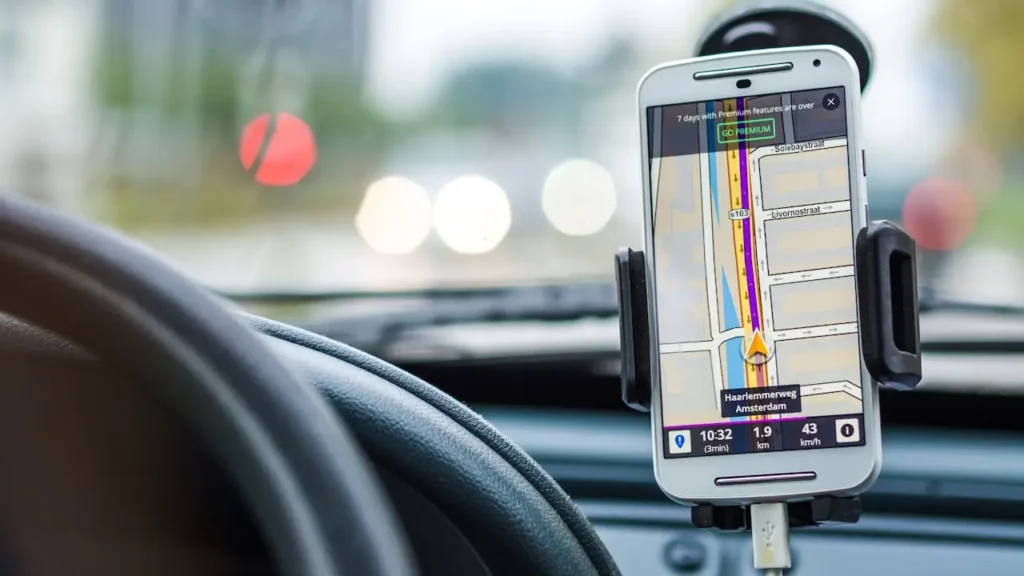
Modern navigation apps support various modes of transport, including driving, walking, cycling, and public transportation.
Users can choose the mode that suits their needs, and the app calculates the most efficient route for that type of travel. This flexibility helps people plan trips according to their circumstances.
Integration With Other Tools
Navigation apps often integrate with calendars, ride-sharing apps, or event planners.
For example, they can automatically provide directions to scheduled meetings or suggest estimated travel times based on current traffic. This integration reduces manual planning and improves daily efficiency.
Safety Features
Navigation apps contribute to safer travel in several ways.
By providing clear directions, drivers are less likely to make sudden turns or stop unexpectedly. Some apps also include alerts for speed limits, hazards, or school zones, helping users drive responsibly.
Saving Time and Reducing Stress
By optimizing routes, avoiding traffic, and providing timely alerts, navigation apps help users reach destinations faster.
Reduced uncertainty and clearer planning also lower stress, making daily travel more manageable and efficient.
Accessibility Across Devices
Navigation apps are accessible on smartphones, tablets, and some vehicle systems.
Cross-device access ensures that users can navigate whether on foot, in a vehicle, or using public transport. Offline maps are available in some apps, allowing travel in areas without internet access.
Conclusion
Navigation and map apps improve daily travel by providing real-time directions, traffic updates, and location-based services.
They save time, enhance safety, reduce stress, and make commuting or traveling in unfamiliar areas easier. By using these tools, individuals can plan and execute journeys more efficiently, ensuring smoother and safer travel experiences every day.