

In This Article
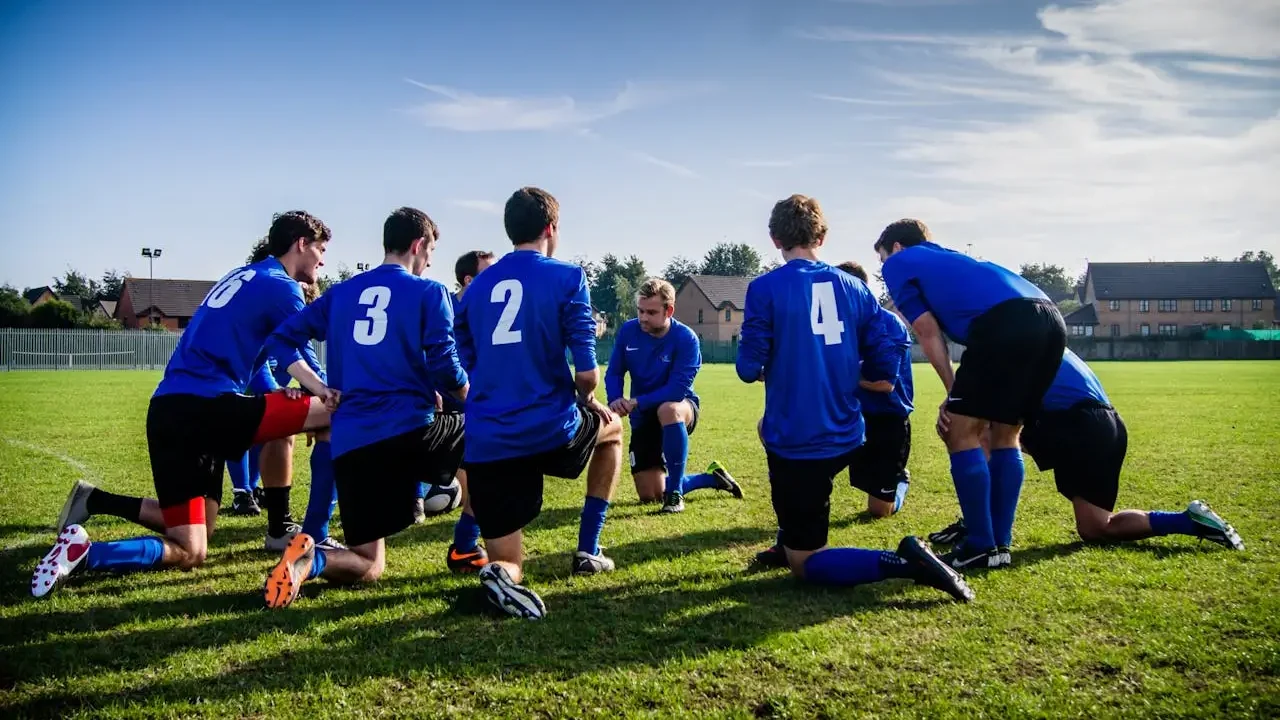
Youth football training fundamentals focus on building a strong foundation of technique, physical fitness, and game-related skills in young players. At early stages, training is not about winning or tactical complexity, but about long-term development, enjoyment, and learning the core elements of the sport. For players, parents, and coaches, understanding these fundamentals is essential to support healthy progress and sustainable performance.
This article explains what youth football training involves, why it matters, and how effective programs balance technical, physical, and developmental priorities over time.
Understanding Youth Football Training
Youth football training refers to structured practice designed for children and adolescents, typically from early childhood through the teenage years. The primary objective is to develop basic football abilities while supporting physical growth, coordination, and decision-making.
Unlike adult or elite training, youth programs must account for differences in maturity, attention span, and physical development. Sessions are most effective when they are age-appropriate, progressive, and focused on learning rather than results.
Why Fundamentals Matter in Youth Development
Strong fundamentals shape a player’s long-term potential. Poor habits formed early can limit technical ability and increase injury risk later. Conversely, players who learn correct techniques and movement patterns at a young age are better prepared to adapt to higher levels of play.
Youth football training fundamentals also contribute to broader outcomes. They support physical literacy, teamwork, discipline, and confidence, making football a valuable developmental tool beyond competition.
Historical Context of Youth Football Training
Historically, youth football often mirrored adult training models, with an emphasis on physical endurance and rigid drills. Over time, research in sports science and child development influenced a shift toward player-centered approaches.
Modern youth football training emphasizes skill acquisition, small-sided games, and gradual physical development. This evolution reflects a better understanding of how children learn and how long-term athlete development works in football.
Technical Fundamentals in Youth Football
Ball Control and First Touch
Ball control is the cornerstone of youth football technique. Players must learn how to receive the ball with different surfaces of the foot and body while maintaining balance and awareness.
Training should include simple receiving drills and game-like situations where players control the ball under light pressure. Mastery of first touch allows young players to make quicker and more effective decisions.
Passing and Receiving Skills
Accurate passing and effective receiving are essential for team play. Youth training should focus on short, controlled passes before progressing to longer or more complex combinations.
Coaches often emphasize correct body positioning, weight of pass, and communication. Repetition in varied contexts helps players apply these skills naturally during matches.
Dribbling and Ball Manipulation
Dribbling develops coordination, confidence, and creativity. Young players benefit from freedom to experiment with movement and changes of direction while keeping the ball close.
Rather than restricting dribbling, training environments should encourage controlled risk-taking. This helps players develop comfort on the ball and adaptability in one-on-one situations.
Shooting Technique
Shooting fundamentals include balance, foot placement, and accuracy. At youth level, the focus should be on technique rather than power.
Players should practice finishing from different angles and distances in age-appropriate ways. Proper shooting mechanics reduce strain and build consistency over time.
Fitness and Physical Development in Youth Football
Age-Appropriate Fitness Training
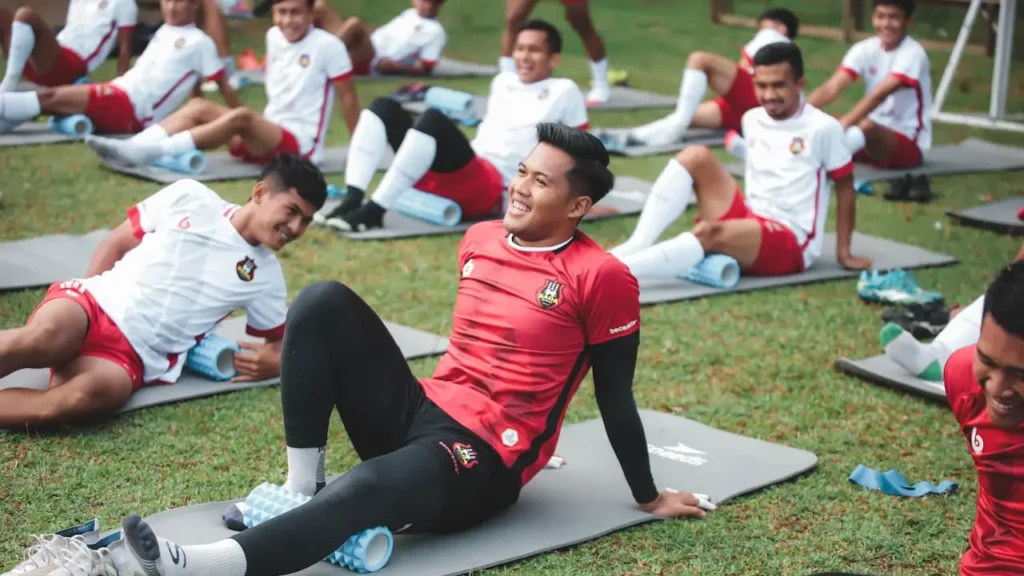
Fitness in youth football is not about intensive conditioning. It centers on developing coordination, agility, balance, and general movement skills.
Running, jumping, and changing direction should be integrated naturally through games and drills. This approach supports physical development without excessive physical stress.
Strength and Injury Prevention
Formal strength training is usually limited at younger ages, but bodyweight exercises and movement-based activities can build stability and control.
Proper warm-ups, cool-downs, and attention to posture help reduce injury risk. Teaching good movement habits early supports long-term physical health.
Endurance and Recovery
Basic endurance develops naturally through play. Structured endurance training becomes more relevant as players grow older, but even then, it should remain proportionate to age and ability.
Recovery is equally important. Adequate rest, hydration, and balanced schedules help young players avoid burnout and overuse injuries.
Skill Development Beyond Technique
Decision-Making and Game Awareness
Football intelligence develops through exposure to realistic game situations. Small-sided games are particularly effective because they increase touches, involvement, and decision frequency.
Youth football training should encourage players to read the game, find space, and understand simple positional concepts without overwhelming detail.
Psychological and Social Skills
Confidence, resilience, and teamwork are critical aspects of youth football development. Training environments should be supportive and constructive.
Positive feedback, clear expectations, and fair treatment help young players enjoy the learning process. Emotional safety is a key factor in sustained participation.
Rules and Formats in Youth Football Training
Youth football often uses modified rules and formats, such as smaller pitches, fewer players, and adjusted match durations. These adaptations support learning by increasing engagement and reducing physical demands.
Training sessions should align with these formats, reinforcing skills that are directly applicable to match conditions at youth levels.
Best Practices in Youth Football Training
Effective youth football training programs share several common principles:
- Emphasis on enjoyment and participation
- Gradual progression of difficulty
- Balanced focus on technique, fitness, and understanding
- Consistent routines combined with variety
Sessions that are well-structured but flexible tend to keep players motivated and attentive.
Common Mistakes to Avoid
One frequent mistake is prioritizing winning over development. Excessive focus on results can limit skill growth and discourage less-developed players.
Another issue is early specialization or excessive training volume. Youth players benefit from balanced schedules that allow time for rest, education, and other activities.
Ignoring individual differences is also problematic. Players develop at different rates, and training should accommodate varied abilities and maturity levels.
Conclusion
Youth football training fundamentals revolve around developing sound technique, age-appropriate fitness, and adaptable skills within a supportive environment. When training is structured around long-term development rather than short-term outcomes, young players are more likely to progress, stay healthy, and enjoy the sport.
The key takeaway is balance. Effective youth football training integrates technical learning, physical growth, and personal development in a way that respects the needs of young players and supports their future in football.