

In This Article
Digital reading devices have become increasingly popular for people who prefer carrying entire libraries in one lightweight device. However, e-readers and tablets are designed for different purposes.
This article explains how e-readers work and how they differ from tablets in terms of technology, functionality, and user experience.
What an E-Reader Is
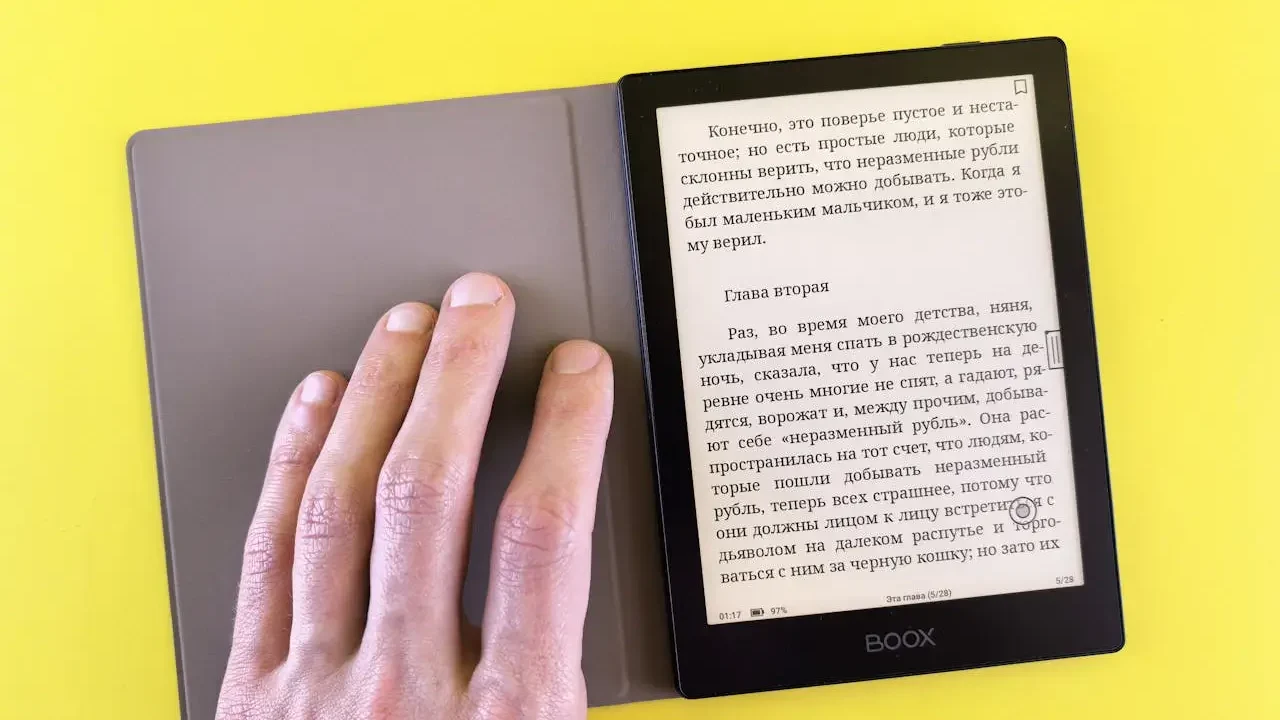
An e-reader is a device specifically designed for reading digital books and documents. Well-known examples include Amazon Kindle by Amazon and Kobo Clara by Rakuten.
E-readers focus mainly on providing a comfortable reading experience rather than offering multiple entertainment features.
How E-Readers Work
E-Ink Display Technology
Most e-readers use a special screen technology called electronic ink, often referred to as E-Ink.
Unlike traditional screens, E-Ink displays do not emit light directly. Instead, they reflect ambient light, similar to paper. The screen contains tiny capsules filled with charged black and white particles. When an electric charge is applied, these particles move to form text and images.
This technology reduces eye strain and makes reading comfortable, even in bright sunlight.
Low Power Consumption
E-Ink screens only use power when changing the content on the screen (such as turning a page).
Because of this, e-readers can last for weeks on a single charge, depending on usage.
What a Tablet Is
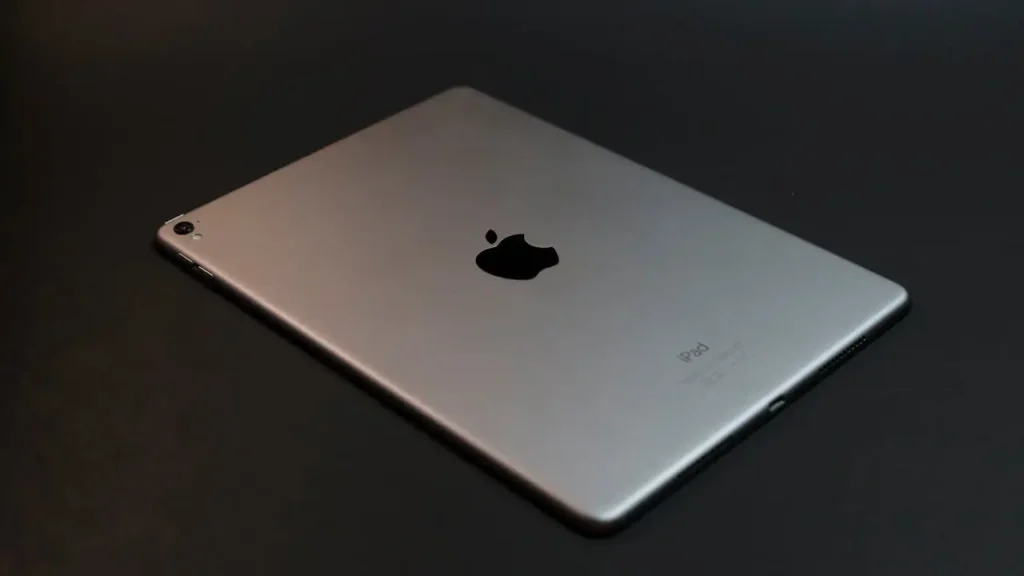
A tablet is a multifunctional device designed for browsing the internet, watching videos, playing games, and running various applications. Examples include the iPad by Apple and the Samsung Galaxy Tab by Samsung.
Tablets operate similarly to smartphones but with larger screens.
Display Differences
Screen Technology
Tablets use LCD or OLED screens that emit light directly toward the user.
This makes them suitable for videos, images, and interactive apps, but extended reading may cause eye fatigue for some users.
In contrast, e-readers use E-Ink displays that resemble printed paper and are optimized for long reading sessions.
Visibility in Sunlight
E-readers perform very well in direct sunlight because their screens reflect light.
Tablets, however, can be difficult to see in bright outdoor conditions due to screen glare.
Battery Life Comparison
One of the biggest differences between e-readers and tablets is battery life.
- E-readers: Often last several weeks per charge
- Tablets: Usually last one to two days, depending on usage
Tablets consume more power because they run multiple applications and maintain active displays.
Functionality and Features
E-Readers
E-readers are mainly designed for:
- Reading eBooks
- Highlighting text
- Adjusting font size and brightness
- Storing large libraries of books
They typically have limited app support and slower refresh rates.
Tablets
Tablets are designed for:
- Streaming videos
- Gaming
- Web browsing
- Email and productivity apps
- Video calls
They function as portable computers rather than dedicated reading devices.
Storage and File Support
Both devices support digital books, but tablets support a wider range of file formats and multimedia content.
E-readers focus primarily on text-based formats, which helps optimize performance and battery efficiency.
Which One Is Better for Reading?
For dedicated reading, e-readers are often more comfortable due to their paper-like display and long battery life.
For users who want an all-in-one device for entertainment, productivity, and communication, tablets offer greater versatility.
Conclusion
E-readers work by using E-Ink technology to simulate the appearance of paper while consuming minimal power. Tablets, on the other hand, use traditional display technology and support a wide range of multimedia functions.
The main difference lies in purpose: e-readers are specialized for reading, while tablets are multifunctional devices designed for a broader digital experience.