

In This Article
Many people use the internet every day but often confuse the terms internet, Wi-Fi, and mobile data. These three technologies work together but serve different purposes in how devices connect online.
This guide explains the difference between the internet, Wi-Fi, and mobile data in simple terms for beginners and non-technical readers.
What the Internet Is
The internet is a global network that connects millions of computers and servers around the world. It allows information to travel between devices using shared communication rules.
Websites, email, video streaming, and online messaging all depend on the internet. It is the system that makes online communication possible.
The internet itself is not a physical object. It is a worldwide digital infrastructure that moves data between connected networks.
How the Internet Reaches Homes and Devices
The internet reaches homes and businesses through service providers. These providers connect local networks to the global internet using cables, fiber lines, and wireless systems.
Once connected, devices can send and receive data across the world. Without this connection, online services cannot be accessed.
The internet is the foundation. Wi-Fi and mobile data are simply ways to connect to it.
What Wi-Fi Is
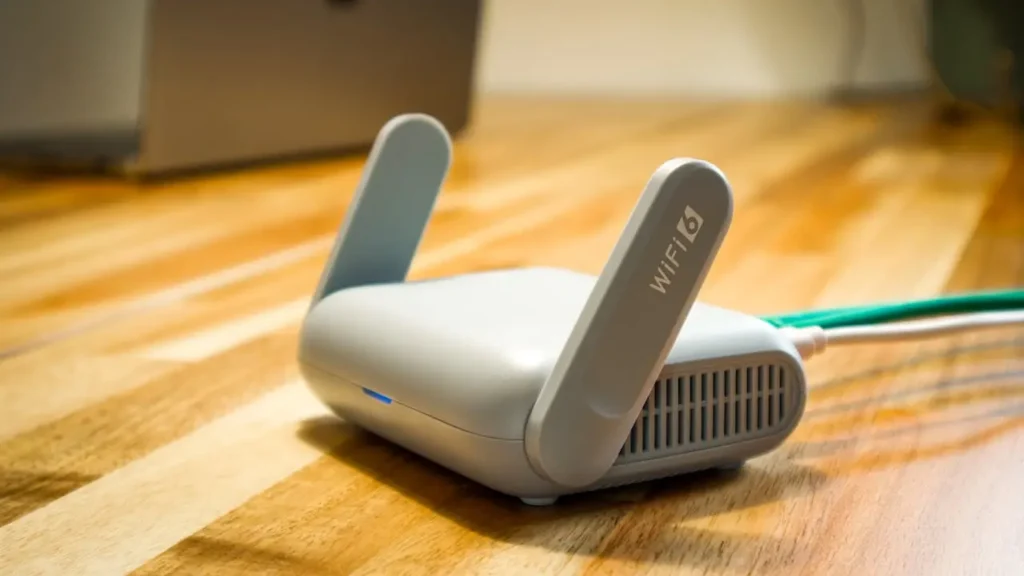
Wi-Fi is a wireless technology that allows devices to connect to the internet through a local network. It replaces physical cables with radio signals inside homes, offices, and public spaces.
A Wi-Fi router receives the internet connection from a service provider and shares it wirelessly with nearby devices. Phones, laptops, and smart TVs connect to the router using Wi-Fi.
Wi-Fi itself is not the internet. It is a method of accessing the internet without wires.
How Wi-Fi Works
Wi-Fi uses radio waves to send data between a router and connected devices. The router acts as a bridge between the local network and the global internet.
When a website is opened, the device sends a request to the router. The router forwards that request to the internet and returns the response.
Wi-Fi works only within a limited range, such as inside a building or nearby area.
What Mobile Data Is
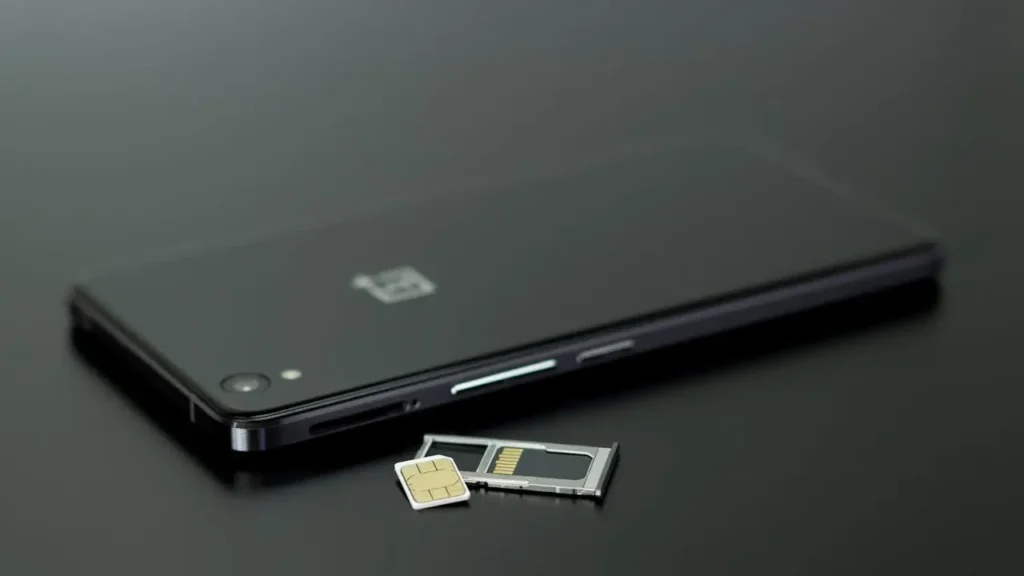
Mobile data is a wireless internet connection provided through cellular networks. It allows smartphones and tablets to access the internet without relying on Wi-Fi.
Mobile data uses nearby cell towers to transmit information. As long as a device is within network coverage, it can connect online.
This type of connection is useful when traveling or when Wi-Fi is not available.
How Mobile Data Works
Mobile data operates through a network of cell towers spread across cities and rural areas. A mobile device connects to the nearest tower to send and receive data.
As the user moves, the connection switches between towers automatically. This allows continuous internet access while on the move.
Mobile data connects directly to the internet, without the need for a local router.
Key Differences Between Internet, Wi-Fi, and Mobile Data
The internet is the global system that moves information worldwide. It is the service being accessed.
Wi-Fi is a local wireless connection that links devices to the internet through a router. It works within a limited area.
Mobile data is a cellular connection that provides direct internet access using mobile networks. It works across wide geographic areas.
In simple terms, the internet is the destination, while Wi-Fi and mobile data are different paths to reach it.
When Wi-Fi Is Commonly Used
Wi-Fi is typically used in homes, offices, schools, and public spaces. It is suitable for activities that require stable connections, such as video streaming and online work.
Wi-Fi does not rely on mobile network coverage. It depends on a local internet connection and router.
It is often preferred for regular daily use in fixed locations.
When Mobile Data Is Commonly Used
Mobile data is used when traveling, commuting, or outside Wi-Fi coverage. It allows continuous access to online services.
It is helpful for navigation, messaging, and quick searches while on the move.
Mobile data ensures internet access in places where fixed networks are not available.
Why the Difference Matters
Understanding these terms helps users manage connections more effectively. It explains why a device may connect automatically in one place and not in another.
It also helps in troubleshooting problems, such as when Wi-Fi works but the internet does not.
Clear knowledge improves everyday digital use and reduces confusion.
Conclusion
The internet is the global network that enables online communication. Wi-Fi and mobile data are two different methods of connecting devices to that network.
Wi-Fi connects through a local router, while mobile data connects through cellular towers. Each plays a distinct role in providing access to online services.
Understanding the difference between the internet, Wi-Fi, and mobile data helps users make better use of modern technology in daily life.