


In This Article
Choosing between wireless earbuds and wired headphones can be confusing, especially with many options available today. Both types serve the basic purpose of delivering sound, but they differ in how they work, how they feel, and where they perform best.
This guide explains the key differences between wireless earbuds and wired headphones in clear, simple language for everyday listening and non-technical readers.
What Wireless Earbuds Are
Wireless earbuds are small audio devices that connect to phones, tablets, and computers without a cable.
They rely on Bluetooth technology to transmit sound. Because they are compact and cord-free, they are popular for on-the-go use, workouts, and casual listening.
What Wired Headphones Are
Wired headphones use a cable to connect directly to a device’s audio jack or port.
They come in many sizes and styles, from in-ear buds to over-ear models. The wired connection provides a physical link for sound to travel from the device to the headphones.
How Wireless Earbuds Work
Wireless earbuds use Bluetooth to communicate with a device.
Once paired, the device sends audio signals wirelessly to the earbuds. Each earbud has its own battery and small internal components that decode the signal and produce sound.
Because they rely on small batteries, earbuds must be recharged regularly.
How Wired Headphones Work
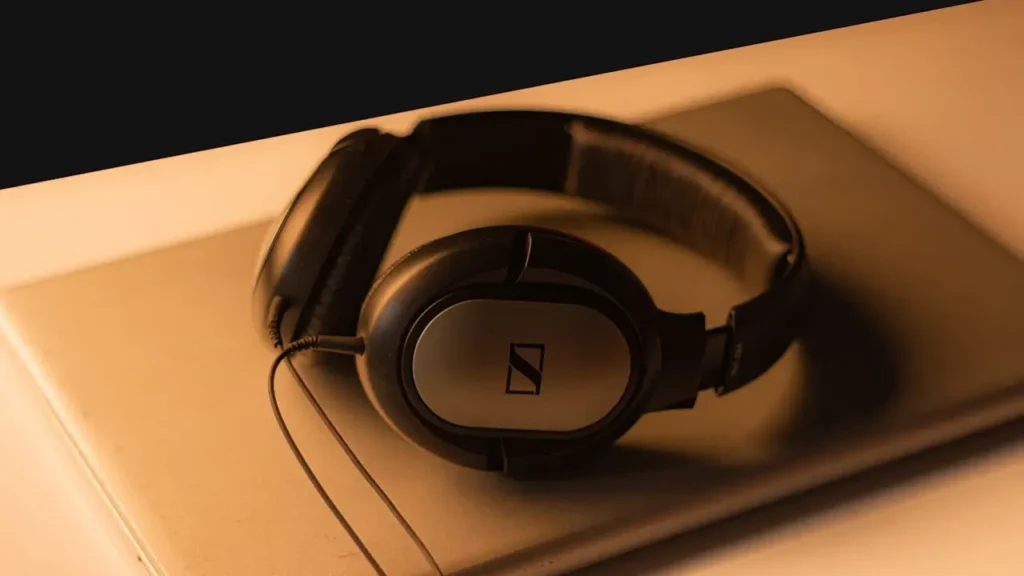
Wired headphones carry electrical audio signals through the cable.
When sound plays on a device, it sends a signal through the wire directly to the headphone speakers. This simple connection does not require pairing or internal batteries.
Portability and Convenience
Wireless earbuds are extremely portable due to their small size and lack of wires.
They fit easily in pockets or small cases and are convenient for travel, commuting, or active lifestyles.
Wired headphones vary in size. Smaller models are portable, but larger over-ear designs may be bulkier. The cable can become tangled, which some users find inconvenient.
Sound Quality Comparison
Wired headphones generally deliver consistent sound quality. The direct cable connection often results in clearer audio with less compression.
Wireless earbuds have improved significantly and can offer rich sound, but they still rely on Bluetooth technology, which may compress audio slightly. High-end wireless models narrow this gap, but wired options remain dependable for detailed sound.
Battery Life Considerations
Wireless earbuds depend on battery power. Battery life varies by model, and users must remember to recharge regularly.
Some wireless earbuds include charging cases that extend usage time between charges.
Wired headphones do not require batteries. As long as the connected device has power, wired headphones continue to work without interruption.
Comfort and Fit
Wireless earbuds are lightweight and unobtrusive. They are suitable for short listening sessions, workouts, or travel. Fit depends on ear shape, and comfort varies by model.
Wired headphones often provide larger ear cups and can be more comfortable for extended use. Over-ear models can also offer better noise isolation.
Compatibility With Devices
Most modern phones and tablets support Bluetooth, making wireless earbuds compatible with many devices.
Wired headphones connect through audio jacks or adapters. Some newer devices no longer include traditional headphone jacks, which may require adapters for wired models.
Price and Value
Wireless earbuds range from budget-friendly to premium prices based on features like battery life, sound quality, and brand.
Wired headphones are often more affordable for similar audio performance. Because they lack batteries and wireless components, wired options can offer strong value at lower cost.
Everyday Use Scenarios
Wireless earbuds are ideal for people who value mobility and convenience. They are well-suited for workouts, commuting, or casual listening.
Wired headphones are suitable for stationary use, long listening sessions, and situations where consistent audio quality matters more than portability.
Conclusion
Wireless earbuds and wired headphones each have strengths for everyday listening. Wireless earbuds offer portability, convenience, and a cord-free experience. Wired headphones provide consistent sound quality, no battery dependency, and simple connectivity.
Understanding these differences helps users choose the right option based on lifestyle, listening habits, and daily use scenarios.
To make your buying decision easier, we have already researched performance, sound quality, user feedback, and overall value from top Amazon products. Below are carefully selected wireless earbuds and wired headphones that are available on Amazon.
TOZO T20 Wireless Earbuds
We selected these earbuds because they offer strong sound quality, up to 10 hours of playtime per charge, waterproof IPX8 protection, and a wireless charging case making them excellent for music, calls, and daily use.
Best for: Daily music, podcasts, commuting, and casual listening.
Look Here
bmani Ear Buds Wireless Earbuds
After reviewing Amazon best seller deals, this budget pair delivers reliable wireless sound, comfortable fit, and Bluetooth connectivity at a very affordable price.
Best for: Simple everyday use and value buyers.
Look Here
JLab JBuds Pro Signature Wired Earbuds
These wired earbuds provide decent sound quality with a built-in mic and easy controls, perfect for plugging into phones, laptops, tablets, and more without worrying about battery life.
Best for: Users who prefer plug-in reliability and never-die connection.
Look Here
Sony Wired Headphones (basic model)
Wired Sony headphones are known for balanced audio quality and durability, with a simple plug-and-play setup for music, videos, and calls.
Best for: Affordable wired listening and long usage.
Look Here