


In This Article
Cash no longer controls transaction speed. Software does.
A decade ago, sending money across cities involved bank queues, delayed confirmations, or manual account verification that collapsed under simple human error. Retail payments suffered from the same friction. Card terminals failed. Cash handling slowed checkout lines. Cross-border payments stalled inside intermediary banking networks that treated settlement like a batch-processing exercise from the early internet era.
Digital payment tools removed that operational drag.
The modern transaction stack now compresses identity verification, payment authorization, fraud analysis, and confirmation into a process that often completes in under three seconds. Consumers notice convenience. Financial infrastructure engineers notice something else entirely: reduced transactional friction at scale.
That distinction matters.
Digital payment tools are not simply “apps for sending money.” They are distributed financial systems built to eliminate latency between intent and settlement.
What Digital Payment Tools Actually Do
Digital payment tools convert financial instructions into authenticated digital transactions without exposing raw banking infrastructure to the user.
The interface appears simple. The backend is not.
When a user taps a smartphone against an NFC terminal or scans a QR code, the platform initiates a chain of encrypted communications between the payment gateway, issuing bank, merchant processor, fraud engine, and settlement network. Tokenization replaces exposed card data with temporary identifiers. Authentication layers verify device ownership before authorization occurs.
The transaction feels instant because the complexity stays hidden.
This architecture defines nearly every modern payment environment, including mobile wallets, peer-to-peer transfer platforms, online banking applications, and embedded checkout systems integrated into e-commerce platforms.
Physical cash cannot compete with that level of operational efficiency.
Digital Payment Tools Removed Checkout Friction
Retail checkout used to depend on physical interaction. Customers counted cash. Clerks verified notes. Card terminals processed magnetic stripe data slowly enough to create visible queue delays during peak retail traffic.
Digital payment tools collapsed those delays into near-invisible authentication events.
Tap-to-pay systems using Near Field Communication eliminate manual card insertion entirely. QR-based payment systems bypass dedicated hardware by converting smartphones into transaction endpoints. Online merchants reduce abandonment rates through one-click checkout flows that preserve encrypted payment credentials inside secure vault architectures.
The effect is measurable.
Every additional step inside a checkout sequence increases user drop-off probability. Digital payment tools reduce those steps aggressively because transaction completion directly affects merchant revenue.
That is not convenience marketing. It is conversion optimization.
Platforms such as PayPal, Stripe, and Block built multi-billion-dollar ecosystems by attacking payment friction at the infrastructure layer instead of redesigning the interface alone.
The backend changed first.
Online Commerce Depends on Digital Payment Tools
E-commerce expansion would collapse under manual payment verification.
Consumers expect transactions to complete immediately across marketplaces, subscription services, digital platforms, and mobile storefronts. Digital payment tools satisfy that expectation through persistent identity authentication and encrypted credential management.
Stored payment tokens eliminate repeated card entry. Device-level biometric authentication reduces credential theft exposure. Payment APIs connect merchants directly to processing networks without forcing businesses to maintain sensitive financial databases internally.
Legacy architectures fail at the decryption layer; tokenization resolves this by stripping raw payment credentials from the transaction stream entirely.
That matters because data breaches rarely begin with payment interfaces. They begin with poorly secured backend storage systems.
Modern digital payment tools isolate sensitive financial information before merchants even receive transaction authorization responses. The merchant processes payment intent without directly controlling raw financial credentials.
The risk surface shrinks dramatically.
This explains why platforms integrating [Secure Payment Gateway Solutions] experience lower operational exposure than businesses relying on fragmented payment processing environments stitched together through outdated plugins or unmanaged APIs.
Instant Transfers Changed Consumer Expectations
Bank transfer systems historically operated on institutional schedules rather than consumer demand.
Settlement delays became normalized because banking infrastructure evolved around batch processing cycles designed decades before real-time mobile connectivity existed. Consumers tolerated waiting periods because alternatives barely existed.
Digital payment tools erased that tolerance.
Peer-to-peer transfer systems now execute transactions in seconds. Split-bill payments happen instantly inside messaging interfaces. Freelancers receive international transfers without navigating intermediary banking bureaucracy that traditionally consumes both time and fees.
Speed changed user psychology.
Consumers now interpret transaction delays as technical failure rather than procedural necessity.
Real-time transfer infrastructure forced financial institutions to modernize settlement pipelines rapidly because outdated systems exposed competitive weakness immediately. Users migrate toward platforms that compress transaction timeframes most aggressively.
The fastest system wins attention.
Security Architecture Became the Core Product
Convenience alone cannot sustain payment platforms.
Trust does.
Digital payment tools survive because modern security frameworks aggressively reduce fraud exposure through layered authentication systems operating continuously during transaction processing. Biometric verification, behavioral analytics, device fingerprinting, and encrypted token exchange now operate simultaneously inside many payment ecosystems. Payment Infrastructure Layer Traditional Banking Workflow Modern Digital Payment Tools Operational Impact Transaction Authorization Manual or delayed verification Real-time encrypted validation Faster checkout completion Fraud Prevention Static passwords Behavioral analytics and tokenization Lower fraud exposure Money Transfers Batch settlement windows Instant peer-to-peer processing Reduced transaction delay User Authentication PIN or signature only Biometrics and adaptive verification Stronger identity assurance Expense Tracking Manual account review Automated categorized transaction logs Better financial visibility Merchant Integration External processing gateways Embedded payment APIs Reduced checkout abandonment Contactless Payments Physical card insertion NFC and QR authentication Higher retail throughput Device Accessibility Branch or desktop dependent Smartphone-native transactions 24/7 financial access
Users rarely notice these systems working.
Fraud engines analyze transaction velocity patterns in milliseconds. Suspicious authentication attempts trigger adaptive verification requests automatically. Behavioral inconsistencies flag account anomalies before transactions finalize.
This is defensive infrastructure engineering disguised as consumer convenience.
The strongest payment systems avoid storing sensitive information unnecessarily. Tokenization replaces persistent exposure with temporary transaction identifiers that become operationally useless if intercepted.
Static credentials create vulnerability. Dynamic authorization reduces it.
Platforms investing heavily in Financial Cybersecurity Infrastructure maintain stronger transaction reliability because modern fraud prevention depends less on passwords and more on contextual behavioral analysis across device ecosystems.
The transaction itself becomes the authentication signal.
Expense Tracking Became Automated
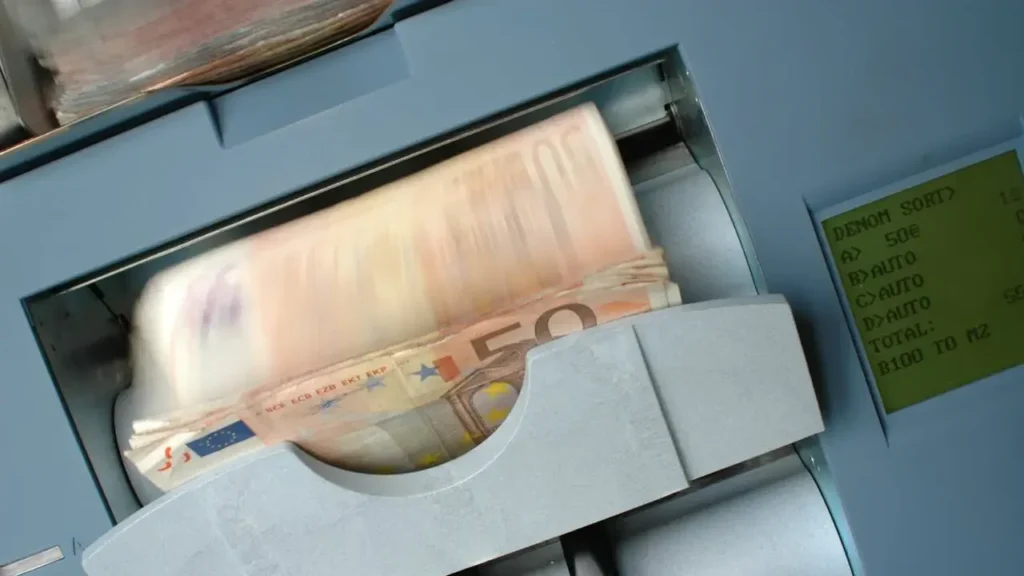
Cash transactions disappear after completion unless manually recorded.
Digital payment tools generate persistent financial data automatically.
Every transaction creates a searchable ledger entry containing timestamps, merchant identifiers, payment methods, transfer history, and categorization metadata. Consumers gain immediate visibility into spending patterns without relying on manual bookkeeping practices that most users abandon within weeks.
These financial activity logs rely on a Modern Database Infrastructure optimized for high-speed indexing, transactional integrity, and real-time synchronization across distributed systems.
Automation changed personal finance behavior.
Users now receive instant spending notifications after transactions complete. Subscription tracking systems identify recurring charges automatically. Monthly summaries expose behavioral spending patterns with uncomfortable precision.
That visibility affects purchasing decisions.
Consumers who review categorized financial analytics often reduce impulsive spending because digital payment tools remove the ambiguity surrounding small repeated purchases that traditionally escaped attention in cash-based environments.
The data creates accountability.
Financial visibility also explains the rise of integrated fintech ecosystems combining banking, payments, transfers, and budgeting inside unified interfaces rather than isolated applications.
Fragmentation creates friction. Consolidation removes it.
Mobile Access Reshaped Transaction Behavior
The smartphone became a permanent financial endpoint.
Digital payment tools transformed mobile devices into continuously connected transaction environments capable of handling purchases, transfers, bill payments, and subscription management without requiring physical banking access.
This changed transactional timing entirely.
Consumers no longer wait to complete payments from desktop systems or physical branches. Purchases happen during transit. Transfers occur during conversations. Utility bills are processed from notification panels before users leave bed.
The transaction layer became ambient.
Mobile accessibility also expanded financial participation for users operating outside traditional banking convenience zones. Regions with inconsistent branch infrastructure often experience accelerated fintech adoption because mobile-first financial access bypasses physical banking limitations completely.
The phone replaced the branch.
That operational shift explains why companies investing in Mobile Banking Experience Design prioritize latency reduction, biometric authentication, and low-friction navigation over decorative interface experimentation.
Users tolerate aesthetic simplicity. They do not tolerate payment failure.
Contactless Transactions Reduced Physical Dependency
Contactless infrastructure changed transaction ergonomics.
Most contactless systems rely on NFC payment technology to authenticate encrypted short-range transactions between devices and terminals.
Consumers no longer hand payment instruments to retail staff. Devices authenticate wirelessly through encrypted proximity communication that completes transactions almost instantly. Public transport systems adopted contactless validation because throughput efficiency improved dramatically compared to cash or paper ticket systems.
Small delays compound fast.
A one-second reduction in transaction time creates measurable operational improvement inside high-volume retail or transportation environments processing thousands of users daily.
Digital payment tools optimize those micro-interactions relentlessly because efficiency at scale produces infrastructure-level gains across entire commercial ecosystems.
The user experiences speed.
The system experiences throughput optimization.
Integration Turned Payments Into Embedded Infrastructure
The most effective digital payment tools now operate invisibly.
Ride-sharing platforms process fares automatically after trip completion. Streaming services renew subscriptions without manual intervention. E-commerce systems authenticate purchases inside embedded checkout environments without redirecting users toward external processing pages.
Payments merged into software architecture itself.
Consumers increasingly interact with services while barely noticing the transaction layer operating underneath. Financial infrastructure became embedded functionality rather than a separate user action requiring deliberate attention. In the same way automated software quietly absorbs routine tasks—prompting professionals to look closer at what their AI habits really say about how they work—payment processing has faded into the ambient background of modern commerce.
That integration changed software development priorities across nearly every commercial platform category.
Payments are no longer optional infrastructure components added later during platform scaling. They shape product architecture from the beginning because monetization efficiency directly affects operational sustainability.
Digital payment tools simplified shopping and transfers by eliminating friction at the infrastructure layer first. The interface improvements came afterward.
That is why adoption accelerated so aggressively.
The systems solved real operational inefficiencies instead of merely redesigning the payment screen.
What are digital payment tools?
Digital payment tools are software platforms that process electronic financial transactions. They allow users to pay, transfer money, manage spending, and authenticate transactions without using physical cash.
Are digital payment tools safer than cash?
Yes. Modern digital payment tools use encryption, tokenization, biometric authentication, and fraud detection systems that reduce theft exposure significantly compared to carrying physical cash.
How do contactless payments actually work?
Contactless payments use encrypted short-range communication protocols. NFC-enabled devices exchange temporary payment credentials with terminals without exposing raw card data during the transaction.
Can digital payment tools work without a bank account?
Yes. Some mobile wallets and prepaid fintech platforms allow limited financial transactions without requiring traditional banking infrastructure.
Why are instant money transfers possible now?
Real-time settlement networks replaced older batch-processing systems. Modern digital payment tools process authorization and fund validation simultaneously instead of waiting for scheduled banking windows.
Do digital payment tools store card information?
Usually not in raw form. Most modern platforms use tokenization systems that replace sensitive card numbers with temporary, encrypted identifiers.
Can digital payment tools be hacked?
Yes. No financial system is completely immune to attack, though layered encryption and behavioral fraud monitoring drastically reduce successful exploitation attempts.
What is the biggest advantage of digital payment tools?
Speed. They compress authorization, authentication, and settlement into a process that often completes within seconds.
Why do online stores prefer digital payment tools?
They reduce checkout abandonment rates. Faster authentication, stored credentials, and embedded payment APIs help users complete purchases with minimal friction.