

In This Article
Cricket appears simple at first glance: batters score runs, bowlers take wickets, and fielders attempt to restrict both. Yet the tactical reality is considerably more complex. Every successful side is constructed around a collection of specialized responsibilities that intersect throughout an innings. Understanding the roles and responsibilities of cricket team positions explained in practical terms reveals why team selection, batting order construction, bowling combinations, and field placements remain central to match outcomes.
| Position Group | Primary Objective | Match Impact Area | Tactical Importance |
|---|---|---|---|
| Opening Batters | Negotiate new ball | First 10 overs/session | High |
| Top Order | Stabilize innings | Partnership building | High |
| Middle Order | Manage momentum shifts | Recovery or acceleration | High |
| Lower Order | Extend total | Late innings scoring | Medium-High |
| Fast Bowlers | Create breakthroughs | New ball & death overs | High |
| Spin Bowlers | Control scoring tempo | Middle overs | High |
| All-Rounders | Provide balance | Multiple phases | Very High |
| Wicketkeeper | Dismissals & communication | Entire innings | Very High |
| Fielders | Save runs and create chances | Every ball | High |
| Captain | Tactical coordination | Entire match | Critical |
The modern game places enormous emphasis on role clarity. Coaches spend countless hours defining expectations for individual players because success rarely depends on isolated performances. Instead, it emerges from how effectively each position contributes to a larger tactical framework.
Understanding the Structure of a Cricket Team
Any discussion of the roles and responsibilities of cricket team positions explained must begin with team composition itself.
A cricket team is not merely a collection of talented individuals. It is a carefully balanced unit designed to handle different phases of a match. Every position carries unique responsibilities influenced by match format, pitch conditions, opposition strengths, and tactical objectives.
Some players are selected primarily for run production. Others are chosen to create wicket-taking opportunities. Certain individuals bridge both disciplines. The result is a system where each role influences the effectiveness of every other role.
Nothing operates in isolation.
Opening Batters: Managing the Most Difficult Phase
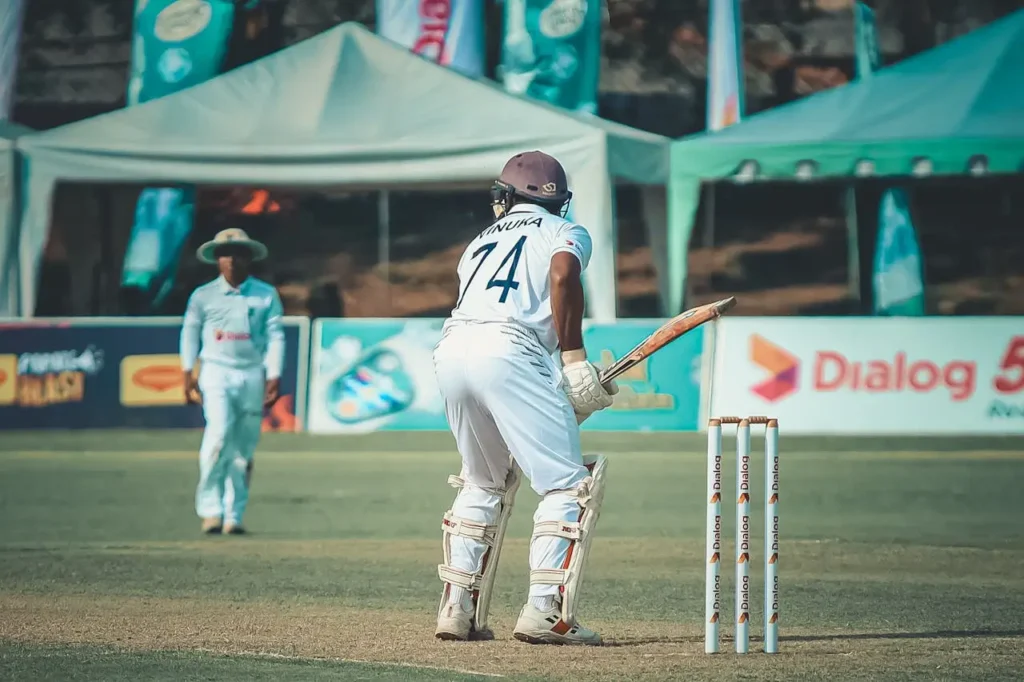
The opening pair faces conditions that are often at their most challenging.
The new ball generally offers greater seam movement, sharper bounce, and increased swing through the air. Opposition captains typically deploy their quickest and most threatening bowlers immediately, creating pressure from the opening delivery.
Within the framework of roles and responsibilities of cricket team positions explained, opening batters serve as the first line of resistance.
Technical precision matters here. Loose footwork frequently results in early dismissals. Judgment outside off stump becomes critical. Equally important is the ability to absorb pressure without allowing scoring opportunities to disappear entirely.
The scoreboard remains secondary during the opening exchanges.
Survival comes first.
A productive opening partnership can significantly alter the trajectory of an innings. It reduces exposure for middle-order players, forces bowling changes, and gradually diminishes the advantages associated with the new ball.
Top-Order Batters: Stabilizing the Innings
When discussing the roles and responsibilities of cricket team positions explained, the importance of number three and number four positions cannot be overstated.
These players often encounter dramatically different match situations. Sometimes they arrive after a strong opening partnership. On other occasions, they enter within the first few overs following early wickets.
Adaptability defines their role.
Unlike openers, who primarily combat pace with a hard new ball, top-order batters frequently face a blend of fast bowling and spin. Their responsibility extends beyond simple run accumulation. They must evaluate pitch behavior, manage risk, and construct partnerships capable of extending deep into an innings.
Elite top-order players possess exceptional situational awareness.
They understand when consolidation is necessary and when acceleration becomes strategically valuable.
Middle-Order Batters: Controlling Momentum Shifts
Few positions experience greater tactical variation.
The middle order operates in an environment shaped entirely by preceding events. A team might be cruising at 180 for 2 or struggling at 70 for 4. The responsibilities remain fundamentally different in each scenario.
This reality sits at the heart of the roles and responsibilities of cricket team positions explained.
Middle-order batters frequently act as crisis managers. They rebuild after collapses, absorb pressure created by disciplined bowling spells, and restore scoring momentum through calculated shot selection. In other circumstances, they become aggressive finishers tasked with maximizing scoring opportunities.
Decision-making speed becomes crucial.
Every over presents changing field placements, shifting bowling matchups, and evolving run-rate requirements. Successful middle-order players process these variables quickly while maintaining technical discipline.
Lower-Order Batters: Extending Competitive Totals
The perception that lower-order players exist solely to bowl has become increasingly outdated.
Modern cricket demands contributions from every position.
Within the broader discussion of roles and responsibilities of cricket team positions explained, lower-order batters provide critical insurance. Their ability to add 30, 40, or even 50 additional runs often creates the difference between competitive and below-par totals.
These contributions frequently occur under pressure.
Fielding teams sense opportunities to finish an innings quickly. Bowlers attack aggressively. Yet effective lower-order resistance can alter match dynamics significantly.
Small partnerships produce major consequences.
Fast Bowlers: Creating Pressure Through Pace and Movement

Fast bowlers remain central to most bowling attacks because they possess the ability to generate wickets through multiple methods.
Speed alone is insufficient.
Successful pace bowlers manipulate seam position, exploit atmospheric conditions, vary lengths, and force batters into uncomfortable decisions. Their role within the roles and responsibilities of cricket team positions explained extends beyond wicket-taking.
Pressure matters.
A sequence of disciplined overs can restrict scoring opportunities, induce mistakes, and create chances for teammates operating from the opposite end. Fast bowlers frequently control key periods of an innings, particularly with the new ball and during death overs in limited-overs cricket.
Execution under pressure separates effective operators from average ones.
Spin Bowlers: Controlling Tempo and Creating Errors
Spin bowling introduces an entirely different tactical dimension.
Rather than relying on raw pace, spinners challenge batters through deception, trajectory, revolutions, drift, and turn. Their influence becomes especially pronounced on deteriorating surfaces where irregular bounce and increased grip amplify uncertainty.
The roles and responsibilities of cricket team positions explained include recognizing how spin bowling shapes scoring patterns.
Spinners often bowl longer spells than fast bowlers. This allows captains to construct pressure over extended periods. Dot-ball sequences accumulate. Batters become impatient. Risk levels increase.
Mistakes follow.
A quality spinner frequently influences matches without producing dramatic wicket hauls. Restricting scoring options alone can transform tactical momentum.
All-Rounders: Tactical Flexibility and Team Balance
Few positions offer greater strategic value.
An all-rounder contributes meaningfully with both bat and ball, allowing teams to strengthen multiple areas simultaneously. This flexibility influences team selection, batting depth, bowling resources, and tactical options available to captains.
Within the context of roles and responsibilities of cricket team positions explained, all-rounders function as structural connectors.
They provide contingency plans.
If specialist bowlers struggle, the all-rounder can absorb overs. If the batting lineup suffers setbacks, additional batting depth reduces vulnerability. Their presence often creates a more balanced and adaptable team structure.
Versatility drives selection.
The Wicketkeeper’s Strategic Influence
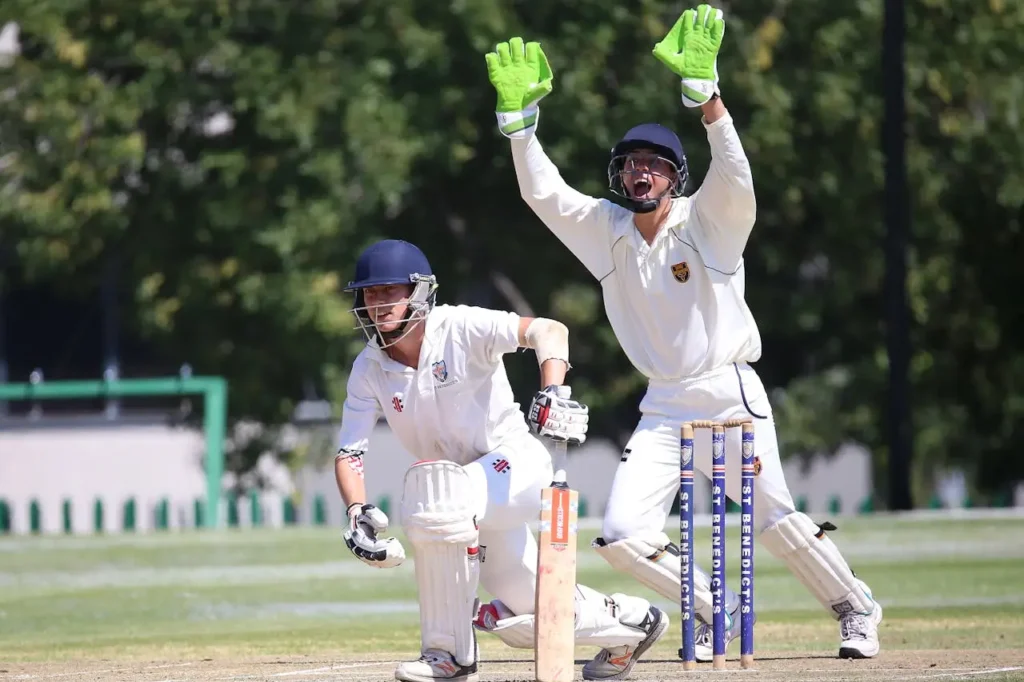
The wicketkeeper occupies the most demanding fielding position in cricket.
Every delivery requires concentration.
Standing behind the stumps, the wicketkeeper must anticipate edges, execute catches, attempt stumpings, and coordinate communication between bowlers and fielders. Physical endurance becomes particularly important during lengthy innings.
The roles and responsibilities of cricket team positions explained would be incomplete without acknowledging the keeper’s tactical influence.
Many wicketkeepers effectively serve as secondary analysts on the field. Their unique perspective allows them to identify technical weaknesses, suggest field adjustments, and relay observations to captains and bowlers.
Constant engagement is required.
A lapse lasting only a fraction of a second can result in missed opportunities.
Fielding Positions and Defensive Strategy
Fielding extends far beyond simply stopping the ball.
Each position exists for a tactical reason.
Slip fielders target edges generated by seam movement. Short-leg and silly-point fielders pressure batters against spin. Boundary riders restrict scoring zones and protect specific dimensions of the playing area.
Understanding these placements forms an important part of the roles and responsibilities of cricket team positions explained.
Fielding quality directly affects match outcomes. Saved runs accumulate over innings. Direct-hit run-outs create momentum shifts. Difficult catches convert pressure into wickets.
Margins remain small.
Elite teams often distinguish themselves through superior fielding efficiency rather than raw batting or bowling numbers alone.
The Captain’s Role in Tactical Execution
No position carries broader responsibility.
Captains control field placements, bowling rotations, match tempo, and strategic responses to evolving situations. Their decisions influence every phase of play.
Within the framework of roles and responsibilities of cricket team positions explained, the captain functions as the tactical coordinator.
Success depends on interpreting conditions correctly. A bowling change introduced at the right moment can trigger a collapse. An aggressive field placement may create a crucial breakthrough. Defensive structures might preserve valuable runs during critical phases.
Judgment determines outcomes.
How Roles Change Across Formats
The fundamental positions remain consistent across cricket.
Responsibilities do not.
In Test cricket, patience, endurance, and sustained pressure dominate tactical thinking. These tactical demands are explored further in our guide to Differences Between Test Cricket, One Day Internationals, and T20 Cricket Formats, which examines how strategy changes across cricket’s major formats.
Limited-overs cricket introduces different demands.
Run rates increase. Batters attack earlier. Bowlers rely heavily on variations, slower deliveries, and precise execution under scoring pressure.
This evolution further reinforces the importance of understanding the roles and responsibilities of cricket team positions explained, as positional expectations shift according to format-specific requirements.
Why Role Clarity Determines Team Success
Teams perform best when responsibilities are understood clearly.
Confusion creates hesitation.
Successful cricket sides establish defined expectations while retaining enough flexibility to respond to changing circumstances. Players understand their primary function, their secondary contributions, and the broader tactical objectives guiding decision-making.
The roles and responsibilities of cricket team positions explained ultimately reveal cricket’s strategic depth. Every position contributes to a connected system where batting, bowling, fielding, and leadership intersect continuously. Appreciating these relationships provides a more accurate understanding of how matches are won, how squads are built, and why role execution remains one of the most important factors in competitive cricket.
What is the most important position in a cricket team?
There is no single most important position. Match situations determine influence. Captains, wicketkeepers, opening batters, and strike bowlers often shape outcomes during different phases of play.
Why do opening batters face the toughest conditions?
Because they encounter the newest ball. Seam movement, swing, fresh pitch conditions, and attacking field placements combine to create the most challenging batting environment.
What does a number three batter do in cricket?
The number three batter stabilizes the innings. This position frequently enters after an early wicket and must absorb pressure while maintaining scoring continuity.
Why are middle-order batters considered tactical players?
They manage changing match situations. Their responsibilities vary dramatically between rebuilding after collapses and accelerating scoring during strong starts.
Why is the wicketkeeper considered a leader on the field?
Because they observe every delivery closely. Their positioning allows them to guide bowlers, identify batting patterns, and support captaincy decisions.
How do cricket roles change between Tests and T20s?
The objectives become more aggressive in T20 cricket. Batters prioritize scoring rate while bowlers rely heavily on variations, matchups, and boundary prevention strategies.