

In This Article
Cricket bowling types explained properly requires more than a surface-level distinction between fast bowlers and spinners. Modern bowling is a layered tactical discipline shaped by biomechanics, pitch science, atmospheric conditions, ball deterioration, and match tempo. A bowling attack is rarely built around a single method because every bowling type manipulates a different phase of the batter’s decision-making process. Pace compresses reaction time. Swing alters the expected line before impact. Seam introduces post-bounce uncertainty. Spin distorts footwork patterns and scoring geometry over long spells.
That contrast defines modern cricket.
A batter facing a 145 km/h fast bowler on a hard pitch in Perth encounters a completely different technical challenge from facing an off-spinner on a deteriorating fifth-day surface in Chennai. Yet both situations revolve around the same objective: forcing an error before the batter stabilizes rhythm, balance, and scoring control.
Understanding the Tactical Foundation of Bowling
Cricket bowling types explained in isolation often miss the central reality of elite cricket: Bowling is rarely about individual deliveries. It is about sequence construction. Bowlers manipulate expectation through repetition, angle, release height, and field positioning until the batter commits prematurely.
The ball itself becomes a tactical instrument.
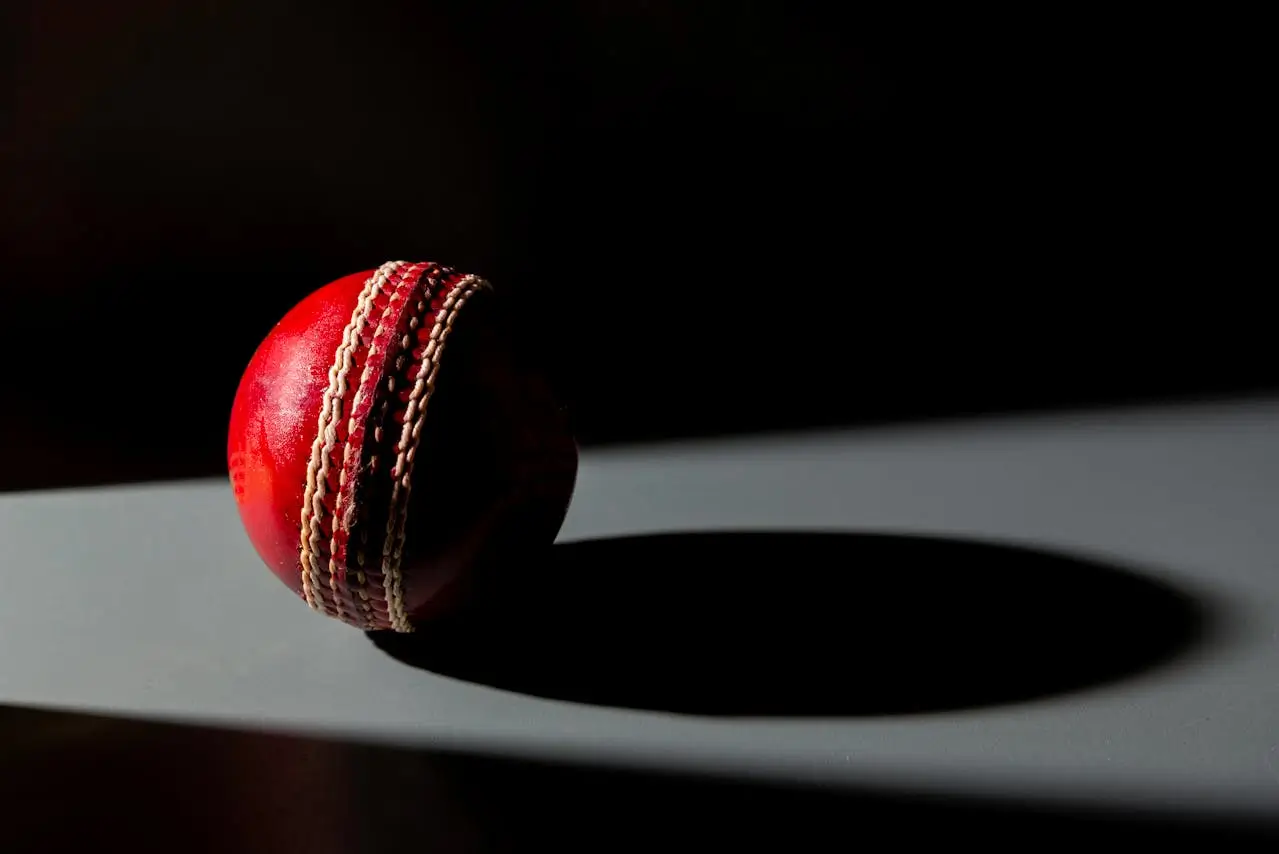
A new ball retains lacquer and seam stiffness, making swing and seam movement more pronounced. An older ball loses shine unevenly, allowing reverse swing at higher speeds. Dry surfaces widen footmarks and cracks, increasing spin deviation. White-ball cricket shortens tactical windows because batters attack earlier, while Test cricket rewards sustained pressure through repeated channel bowling.
Conditions dictate value.
A fast bowler operating with two slips and a gully under cloud cover is pursuing edge probability. A spinner with a packed leg-side field is compressing scoring zones and forcing cross-batted risk. Every bowling method exists within a broader field-control structure.
That is the real framework behind cricket bowling types explained at the professional level.
Pace Bowling: Velocity, Angles, and Physical Pressure
Pace bowling remains the most physically demanding bowling discipline in cricket. High-speed bowlers generate force through run-up momentum, hip rotation, shoulder alignment, and wrist position at release. The objective is not simply raw speed. Elite pace bowling combines pace with repeatable accuracy.
Speed without control collapses quickly.
Modern pace bowlers attack three core zones repeatedly: the top of off stump, the fourth-stump corridor, and the batter’s body line through short-pitched deliveries. The intention changes according to format and field structure. In Test cricket, sustained corridor bowling increases edge chances over long spells. In T20 cricket, yorkers and hard-length deliveries reduce scoring access during death overs.
Why Hard Lengths Matter So Much
One of the biggest tactical developments in modern pace bowling is the rise of the hard length. Instead of bowling traditionally full, fast bowlers now target a back-of-length zone that prevents front-foot extension while climbing sharply toward the splice of the bat.
Especially in white-ball cricket.
On surfaces with extra carry, this length disrupts horizontal bat shots and forces awkward contact angles. Batters struggle to free their arms cleanly because the ball arrives neither short enough to pull comfortably nor full enough to drive through the line.
That uncertainty matters more than sheer speed.
The Mechanics Behind Swing Bowling
Cricket bowling types explained without swing bowling would ignore one of the sport’s most technically refined arts. Swing bowling manipulates airflow asymmetry around the cricket ball. Seam position, wrist alignment, and surface contrast between the shiny and rough sides collectively determine movement direction.
| Bowling Type | Primary Movement Phase | Ideal Conditions | Tactical Objective | Common Risk |
|---|---|---|---|---|
| Pace Bowling | Before and after bounce through speed | Hard surfaces with carry | Reduce reaction time and force rushed decisions | Overpitching or predictable short balls |
| Swing Bowling | Air movement before pitching | Humid or overcast conditions with newer ball | Draw edges through late deviation | Loss of seam position |
| Seam Bowling | Movement after pitching | Grass-covered or damp pitches | Exploit surface inconsistency | Inconsistent release angle |
| Finger Spin | Post-bounce turn with controlled drift | Dry surfaces with grip | Restrict scoring and induce mistakes | Defensive lines reducing wicket threat |
| Wrist Spin | Sharp deviation and variation | Wearing pitches and attacking fields | Create high wicket probability | Increased boundary risk |
The margin is microscopic.
Even late movement of three or four centimeters can turn a controlled defensive shot into an outside edge. Conventional swing generally appears with a newer ball when one side remains polished. Reverse swing emerges later when the older ball travels at higher velocity and airflow behavior changes dramatically.
Conventional Swing vs Reverse Swing
Conventional swing typically moves toward the shiny side of the ball. Bowlers angle the seam slightly while maintaining wrist stability behind the release point. Outswingers draw batters away from the body. Inswingers attack pads and inside edges.
Reverse swing behaves differently.
The older ball moves toward the rougher side at high pace, often late in flight. Because the deviation occurs closer to the batter, reaction time shrinks sharply. Batters frequently misjudge line after committing their initial movement.
This is why reverse swing remains devastating in subcontinental conditions where dry surfaces accelerate ball deterioration.
Why Swing Bowling Still Dominates Test Cricket
Swing bowling survives every tactical era because it attacks defensive technique directly. Power-hitting can neutralize medium pace. Predictable spin can be managed through footwork. Late swing remains difficult because it alters trajectory after the batter begins movement.
The bat path becomes vulnerable.
Elite swing bowlers exploit indecision rather than aggression. They force half-committed footwork, delayed bat presentation, and soft outside edges into slip cordons.
That pressure accumulates quietly.
Seam Bowling: Movement After Contact
Cricket bowling types explained often blur the line between swing and seam bowling, but the distinction is critical. Swing affects the ball before pitching. Seam movement occurs after impact with the surface.
Different phase entirely.
Seam bowlers release the ball with an upright seam position so that the raised seam strikes the pitch first. On responsive surfaces, the seam grips unevenly and changes direction unpredictably after bouncing.
Tiny deviations decide dismissals.
A ball jagging away half a bat-width can beat the outside edge. A ball seaming inward can trap the batter before adjustment occurs. Unlike swing, seam movement depends heavily on surface integrity and moisture retention.
Why English Conditions Reward Seam Bowlers
English pitches frequently retain grass cover and atmospheric moisture, creating ideal conditions for seam deviation. Bowlers operating in these environments prioritize consistency over express pace because repeated seam presentation generates cumulative pressure.
Line discipline becomes everything.
Fast-medium seam bowlers often outperform outright quick bowlers in these conditions because they sustain seam position more effectively across long spells. Batters cannot fully trust bounce consistency, especially early in matches.
The uncertainty never disappears.
The Tactical Link Between Swing and Seam
Modern analytical platforms such as CricViz consistently show how elite fast bowlers combine seam and swing rather than relying on isolated movement patterns. They combine swing and seam strategically. A batter drawn forward by outswing becomes vulnerable to seam movement back into the stumps. Similarly, repeated seam movement encourages static footwork, opening opportunities for fuller swinging deliveries.
Bowling plans overlap constantly.
That overlap explains why complete fast bowlers dominate across conditions rather than specialists dependent on a single movement pattern.
Spin Bowling: Revolutions, Drift, and Patience
Spin bowling operates at lower speed but significantly higher deception density. Cricket bowling types explained properly must recognize that spin is not simply about turn off the pitch. Elite batters survive these spells through disciplined footwork and calculated batting techniques and shot selection.
Spin attacks rhythm.
Where fast bowling compresses reaction time, spin bowling stretches decision-making until batters overcommit. The best spinners create hesitation between front-foot and back-foot movement.
That pause is fatal.
Finger Spin and Wrist Spin
Finger spinners rotate the ball primarily through finger action at release. Off-spinners and left-arm orthodox bowlers generally prioritize control, drift, and sustained pressure.
Wrist spinners operate differently.
Leg-spinners and wrist-based variations generate greater revolutions, sharper turn, and wider variation ranges. Because wrist spinners impart more spin, they often produce greater deviation but also sacrifice some consistency.
Risk-reward balance.
A wrist spinner may concede boundaries while simultaneously increasing wicket probability through aggressive attacking lines.
Flight: The Most Misunderstood Weapon
Many viewers associate spin bowling purely with sharp turn. In reality, flight often matters more. Spinners deliberately alter loop and trajectory to manipulate batter positioning before the ball pitches.
The deception starts in the air.
A floated delivery encourages forward movement. A flatter release traps the batter deep in the crease. Subtle pace reduction changes shot timing enough to induce mishits toward close catchers or boundary riders.
Spin bowling is psychological compression through repetition.
How Bowling Changes Across Formats
Cricket bowling types explained through a single-format lens creates misleading conclusions because bowling priorities change dramatically between Tests, ODIs, and T20 cricket.
In Test cricket, bowlers pursue endurance pressure. Maiden overs, corridor consistency, and wicket sequences shape sessions over extended timelines. Field settings remain aggressive longer because run rate pressure develops gradually.
White-ball cricket changes incentives.
T20 bowling prioritizes disruption over attrition. Bowlers hide pace changes, vary release points, and attack yorker zones because batters initiate aggression immediately. Containment becomes as valuable as wickets during middle overs.
Execution windows shrink fast.
ODI cricket sits between those extremes. Bowlers alternate attacking phases with defensive containment depending on field restrictions and innings progression.
Common Bowling Failures at Competitive Levels
Technical skill alone does not sustain bowling performance. Many bowlers decline because they become predictable under pressure.
Patterns emerge quickly.
Fast bowlers often overuse short deliveries without supporting field structures. Spinners chase excessive turn instead of maintaining pressure through line discipline. Seam bowlers abandon fuller attacking lengths after early boundaries.
Control disappears incrementally.
Another recurring issue involves tactical stubbornness. Bowlers continue pursuing pre-planned methods despite changing surfaces, ball conditions, or batter adjustments. High-level bowling requires constant recalibration.
Adaptation separates professionals from technicians.
Why Bowling Still Controls Cricket Matches
Modern cricket increasingly favors batting through heavier bats, flatter surfaces, shorter boundaries, and aggressive scoring incentives. Yet bowling remains the structural force shaping every innings because bowlers determine tempo, scoring zones, and dismissal opportunities.
Batters react first.
Even in high-scoring environments, elite bowling attacks still dictate match rhythm through sequencing, variation timing, and pressure construction. The strongest teams rarely depend on one bowling method because conditions evolve continuously across formats and venues.
That tactical diversity matters more than individual brilliance.
Cricket bowling types explained through pace, swing, seam, and spin ultimately reveal the game’s central competitive tension: every delivery attempts to destabilize balance, judgment, and timing before the batter settles into control. Different bowling styles simply attack those weaknesses from different directions.
And that contest never becomes static.
What is the most effective bowling type in cricket?
There is no universally dominant bowling type. Match conditions, ball age, pitch wear, and format determine effectiveness more than style alone. Swing bowling dominates in overcast conditions, while spin becomes significantly harder to manage on deteriorating surfaces.
Why do fast bowlers use short balls?
Short balls disrupt balance and scoring rhythm. A rising delivery forces batters onto the back foot while limiting front-foot shot expansion, particularly on pitches with steep bounce and carry.
What is the difference between swing and seam bowling?
Swing occurs before the ball pitches, while seam movement happens after bounce. Swing relies on airflow asymmetry around the ball, whereas seam bowling depends on the seam gripping the surface at impact.
Why do spinners bowl slower deliveries?
Reduced pace manipulates batter positioning. Slower trajectory forces earlier movement decisions, creating mistimed shots when combined with drift, dip, or sharp turn after pitching.
Can medium-pace bowlers succeed without high speed?
Yes, if movement and accuracy remain elite. Bowlers operating around disciplined seam position, swing control, and relentless line consistency often outperform quicker bowlers lacking precision.