


In This Article
The Architecture Behind Digital Access
Digital communication does not begin with devices. It begins with infrastructure that moves information across distributed systems, often without users noticing the layers involved.
At the center of this ecosystem sits the internet. Every digital action—streaming, messaging, browsing—depends on it. Yet end users rarely interact with the internet directly. They interact through access layers such as WiFi vs mobile data, which function as delivery mechanisms rather than the core system itself.
This separation is where confusion begins. Many assume Wi-Fi and mobile data are competing technologies. In reality, WiFi vs mobile data represents two access pathways built on top of the same underlying internet backbone.
The internet remains constant. The access layer changes.
Understanding the Internet as a Core System
The internet is a global packet-routing network. It moves structured data between servers using standardized protocols such as TCP/IP. Every request made from a device is broken into packets, transmitted through routers, and reassembled at its destination.
Similar to how network infrastructure follows predefined instructions to route information, the debate around Machine Learning vs Traditional Programming: A Technical Reality Check explores the difference between systems that follow explicit rules and systems that learn patterns from data.
Without this system, no digital service exists.
WiFi vs mobile data becomes meaningful only after this layer is understood. Both are dependent on it. Neither replaces it.
The internet itself is not owned by a single entity. It is a distributed system maintained by interconnected service providers, data centers, and routing infrastructure spread across continents.
Access Layers: Where WiFi vs Mobile Data Diverge
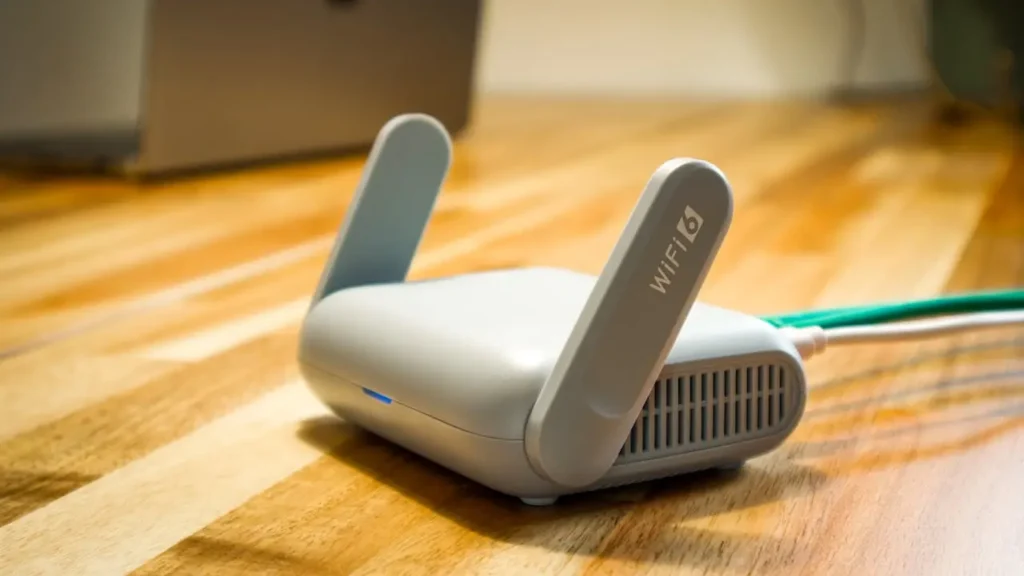
The critical distinction in WiFi vs mobile data lies in how devices reach the internet.
One relies on local wireless routing. The other relies on cellular infrastructure.
Wi-Fi operates through a router connected to a fixed broadband line. Mobile data operates through radio communication between a device and cellular towers.
Both methods achieve the same outcome: internet access. The engineering path is different.
WiFi vs mobile data is not a competition of speed alone. It is a structural difference in network topology.
Wi-Fi as a Localized Network Bridge
Wi-Fi functions as a short-range wireless bridge between devices and a router. That router acts as a gateway between the local environment and the broader internet.
Inside WiFi vs mobile data comparisons, Wi-Fi is typically the stable option because it depends on wired backhaul connections such as fiber or DSL.
The router manages multiple connections simultaneously, distributing bandwidth across devices in a controlled environment.
Wi-Fi does not generate internet connectivity. It extends it within a confined radius.
This is a critical misunderstanding in WiFi vs mobile data discussions. Wi-Fi is not the internet. It is a transport layer sitting above it.
Mobile Data as a Cellular Routing System
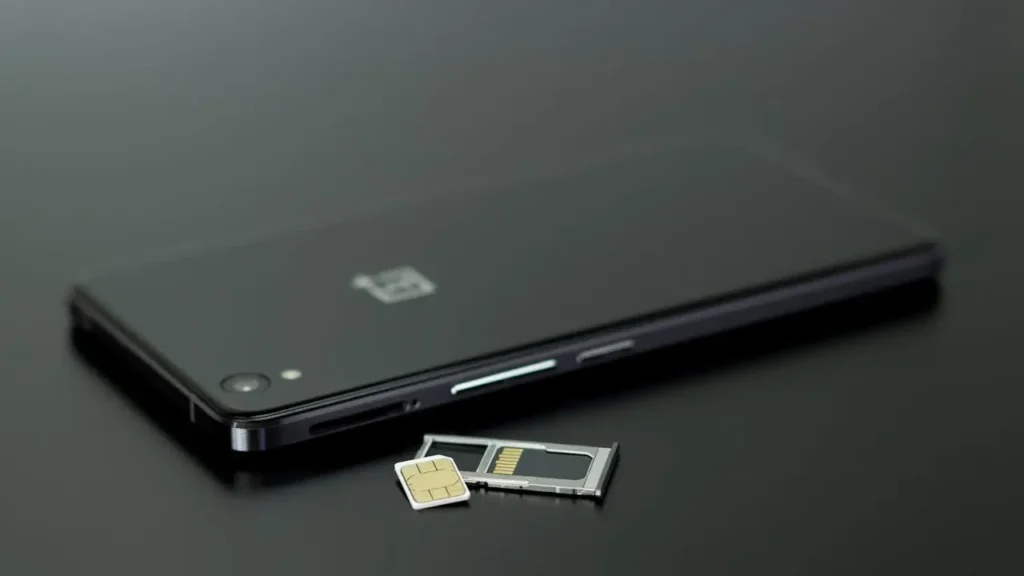
Mobile data operates through cellular networks composed of geographically distributed towers. Each tower functions as a node that communicates with mobile devices using radio frequencies.
In WiFi vs mobile data architecture, mobile data is built for mobility rather than locality.
A smartphone continuously shifts between towers as the user moves. This handoff process maintains connection continuity without manual intervention.
Unlike Wi-Fi, mobile data does not require a local router. It connects directly to the carrier’s network core before reaching the internet backbone.
This direct routing is what defines mobile data inside WiFi vs mobile data comparisons.
Signal Behavior and Network Transition Logic
WiFi vs mobile data also differs in how connections behave under movement.
Wi-Fi remains fixed. Once a device leaves its range, the connection drops or weakens significantly.
Mobile data adapts dynamically. It transitions between towers using automated switching protocols designed to maintain uninterrupted access.
This mobility advantage is why WiFi vs mobile data is often evaluated in terms of usability rather than raw speed alone.
Latency, Stability, and Real-World Performance
Performance in WiFi vs mobile data is shaped by multiple variables:
- Network congestion
- Signal interference
- Distance from router or tower
- Bandwidth allocation
Wi-Fi often delivers lower latency in controlled environments because it operates on dedicated local infrastructure. Mobile data introduces variability due to shared cellular load and environmental conditions.
Still, modern mobile networks reduce this gap significantly, making WiFi vs mobile data differences less noticeable in everyday browsing or messaging.
Security Layers in Both Systems
Security in WiFi vs mobile data depends on encryption and transmission control.
Wi-Fi networks often rely on WPA2 or WPA3 encryption standards. Weak passwords or misconfigured routers can expose vulnerabilities at the local level.
Mobile data encrypts traffic through carrier-grade encryption before transmission through the cellular core network. This reduces exposure to local interception.
In both cases, endpoint security remains critical. The strongest network cannot protect a compromised device.
Energy Consumption and Device Efficiency
Another overlooked dimension in WiFi vs mobile data is power usage.
Wi-Fi generally consumes less battery because the signal range is short and stable. Mobile data requires continuous tower communication, which increases energy demand, especially in weak signal zones.
Devices automatically switch between power states depending on network strength, which directly affects performance efficiency in WiFi vs mobile data usage scenarios.
Practical Use Case Segmentation
WiFi vs mobile data can be understood through operational context rather than theoretical superiority.
Wi-Fi dominates in fixed environments such as homes, offices, and institutions where infrastructure is stable and predictable.
Mobile data dominates in transit, outdoor usage, and regions without fixed broadband access.
Each system optimizes for a different operational constraint rather than competing for dominance.
System Dependency and Network Hierarchy
At the infrastructure level, WiFi vs mobile data both rely on the same upstream internet backbone.
Routers and cellular towers act as intermediaries. They do not replace the internet; they channel it.
When a request is made, it travels through:
Device → Wi-Fi router or cell tower → ISP backbone → destination server
This shared dependency is often ignored in surface-level discussions about WiFi vs mobile data.
Operational Reality of Modern Connectivity
The practical reality of WiFi vs mobile data is coexistence.
Devices automatically switch between both systems depending on availability, signal strength, and user configuration.
This hybrid behavior ensures continuous connectivity without requiring user intervention.
The system does not prioritize one method universally. It adapts. Feature Wi-Fi Mobile Data Network Source Fixed broadband router Cellular towers Mobility Limited range Nationwide coverage Stability High in controlled areas Variable depending on signal Power Usage Lower consumption Higher consumption Latency Generally lower Can fluctuate Infrastructure Dependency Local ISP line Telecom network core
What is the main difference in WiFi vs mobile data?
The main difference is the access method. Wi-Fi uses a local router connected to broadband, while mobile data uses cellular towers to reach the internet.
Is Wi-Fi faster than mobile data?
Not always. Wi-Fi is usually more stable, but mobile data can outperform it in strong 4G or 5G coverage areas.
Does mobile data use the same internet as Wi-Fi?
Yes. Both Wi-Fi and mobile data connect to the same global internet infrastructure.
Why does Wi-Fi stop working outside a room?
Because of range limits. Wi-Fi signals weaken quickly beyond the router’s coverage area.
Why does mobile data slow down sometimes?
Because of network congestion. Multiple users sharing the same tower reduce available bandwidth.
Is Wi-Fi the internet itself?
No. Wi-Fi is only a wireless access method, not the internet itself.